
The Dressmaking Trick That Made 1930s Gowns So Flattering And Why It’s Coming Back
The 1930s introduced a softer, more fluid form of glamour, one that clung to curves, glided over hips and whispered elegance with every step. These gowns did not rely on rigid structure or tight corsets; they worked with the body, not against it. The secret is The Bias Cut. This technique is making a come back today and once you understand how it works, it is easy to see why.
The Bias Cut’s Natural Stretch

Cutting fabric on the bias at a 45-degree angle to the grain, unlocks a natural stretch that hugs the body without needing elastic. It allows the fabric to mold around curves, flowing like liquid and creating a second skin effect. This is how 1930s gowns looked both effortless and figure hugging at once. The result was subtle seduction through fluid motion, not force.
Seamless Silhouettes That Glide

The bias cut allowed designers to create garments with fewer seams, leading to a smoother silhouette that draped without interruption. The result was clothing that glided instead of clinging, skimming the hips and waist with quiet grace. This seamless look gave women freedom of movement and irresistible charm. No wonder it is become the darling of modern minimalism.
Accentuates Natural Curves Gently

Instead of forcing the body into shape, bias-cut gowns celebrated it. The fabric fell gently over the bust, curved at the waist and widened at the hem in a way that flattered every body type. The hourglass was emphasized naturally, with elegance rather than exaggeration. It was soft sculpture in motion, elegance that did not scream, just shimmered.
Fabric Takes Center Stage
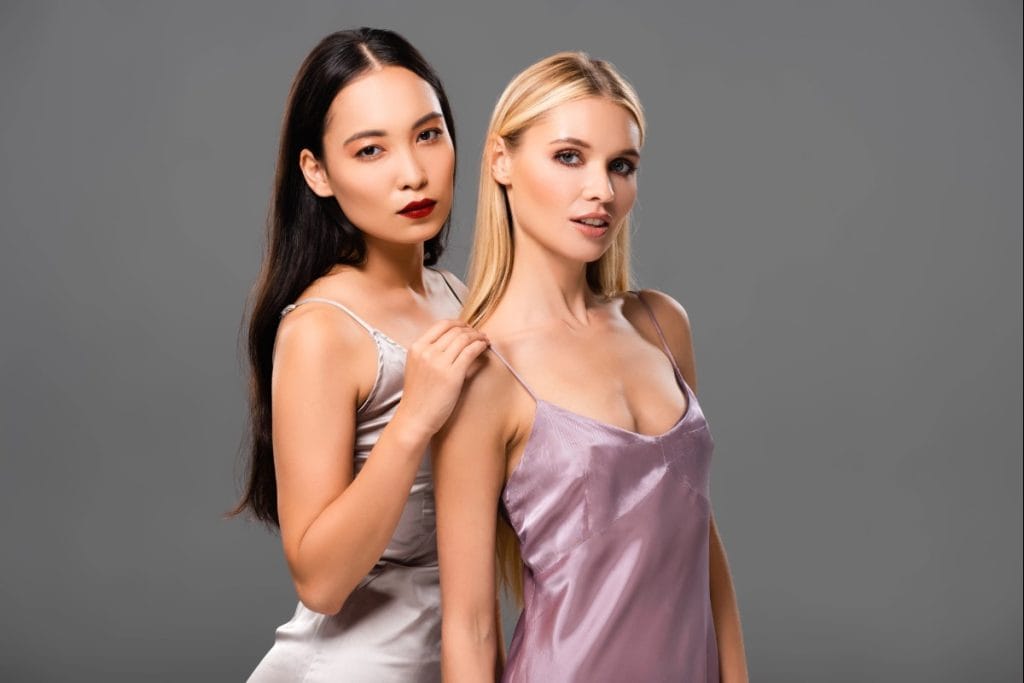
The bias cut put the spotlight on luxurious, drapey fabrics like silk and satin, which responded beautifully to movement. This allowed texture and shine to do the talking, reflecting light with every step. It turned even simple dresses into statements of sophistication. Today, designers are rediscovering this magic for red carpet looks and bridal gowns.
No Need for Heavy Support

Because bias-cut garments worked with the body’s shape, they often required fewer internal structures like boning or padding. This made dresses feel lighter, cooler and more comfortable to wear for long periods. The simplicity made them perfect for both high glamour and relaxed elegance. The return to breathable, body positive fashion is why this trick is back.
Fluid Movement Enhances Drama

A gown cut on the bias does not just look graceful, it moves with grace. Every step creates a ripple, every turn a wave, adding theatrical softness to even the smallest gesture. The body becomes part of the dress’s design. In a world craving beauty with soul, it is a movement based miracle.
Related Post: 12 Genius Fabric Scrap Hacks That Will Save You A Fortune
Eliminates Bulk at Seams
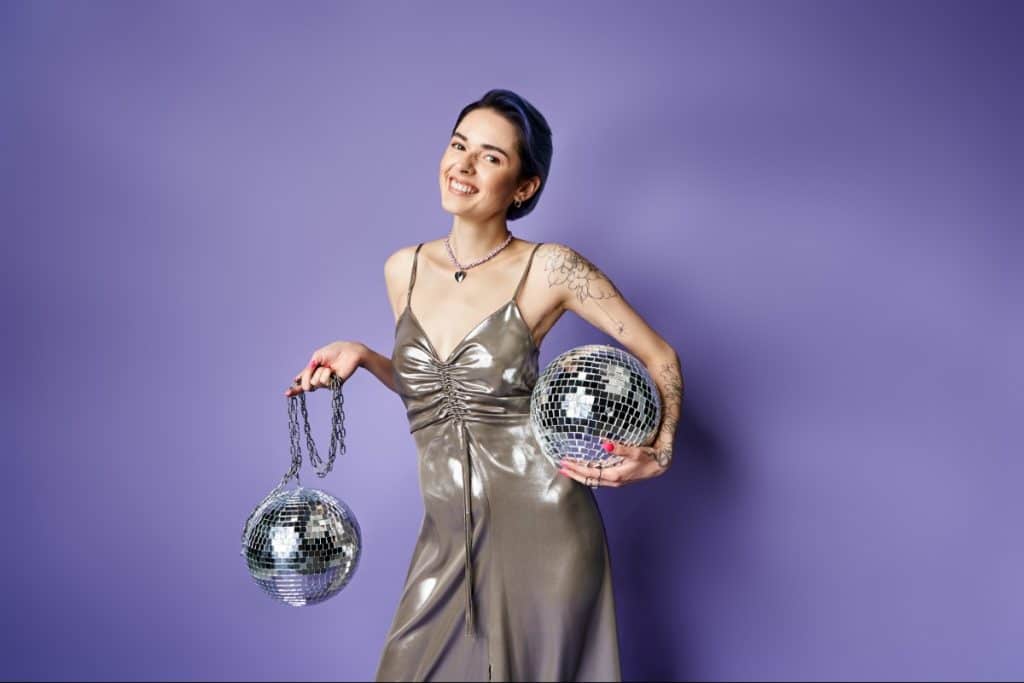
Unlike traditional cuts that require darts or pleats to shape the garment, bias-cut pieces contour naturally, removing the need for bulky seam work. This results in a sleeker finish with less visual clutter. It is the secret behind those perfectly clean lines and uninterrupted drapes. Tailors today are turning back to this for refined silhouettes without complication.
Related Post: 15 Fabric Scrap Hacks That Will Make You Regret Ever Throwing Away Scraps
Perfect for Minimalist Glamour

The bias cut complements understated elegance no need for embroidery, ruffles or flashy detail. The cut itself becomes the design, offering elegance through construction rather than embellishment. This makes it ideal for modern women who want to stand out by doing less. A bias-cut dress speaks volumes without ever shouting.
Related Post: 12 Sewing Projects That Will Make You Fall In Love With DIY Fashion
Forgiving Yet Flattering Fit
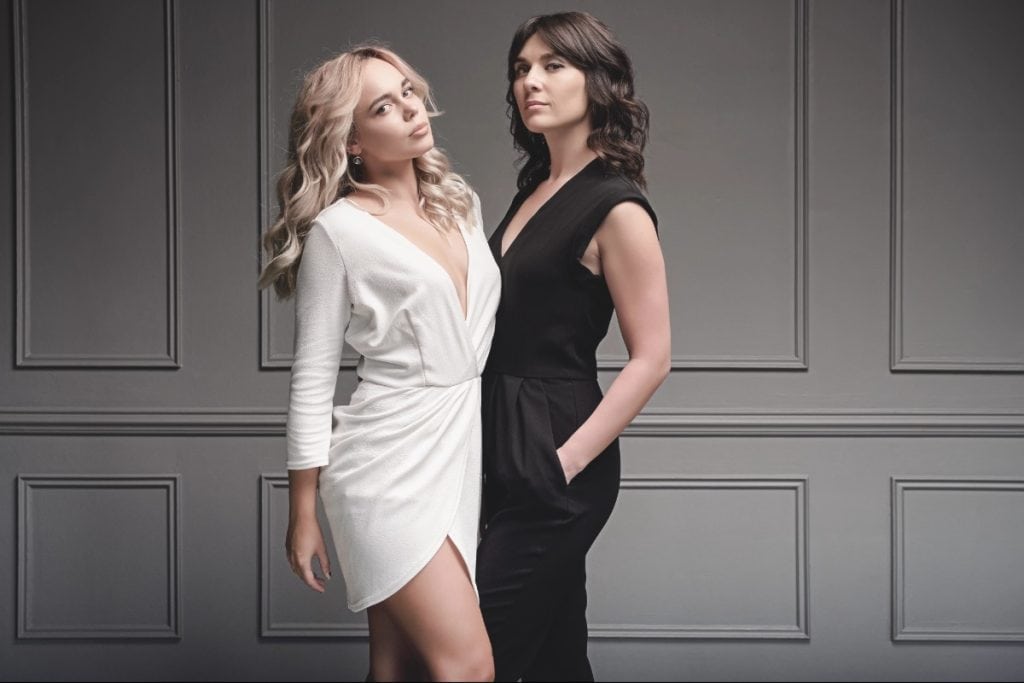
One of the most magical aspects of bias-cut garments is how forgiving they are. They adapt to subtle changes in weight and body shape without losing their beauty. That flexibility makes them timeless and wearable across seasons and sizes. It is sustainable luxury, clothes that grow with you, not against you.
Related Post:12 Quick And Easy Sewing Wins To Skyrocket Your Confidence
A Signature of Old Hollywood Glamour
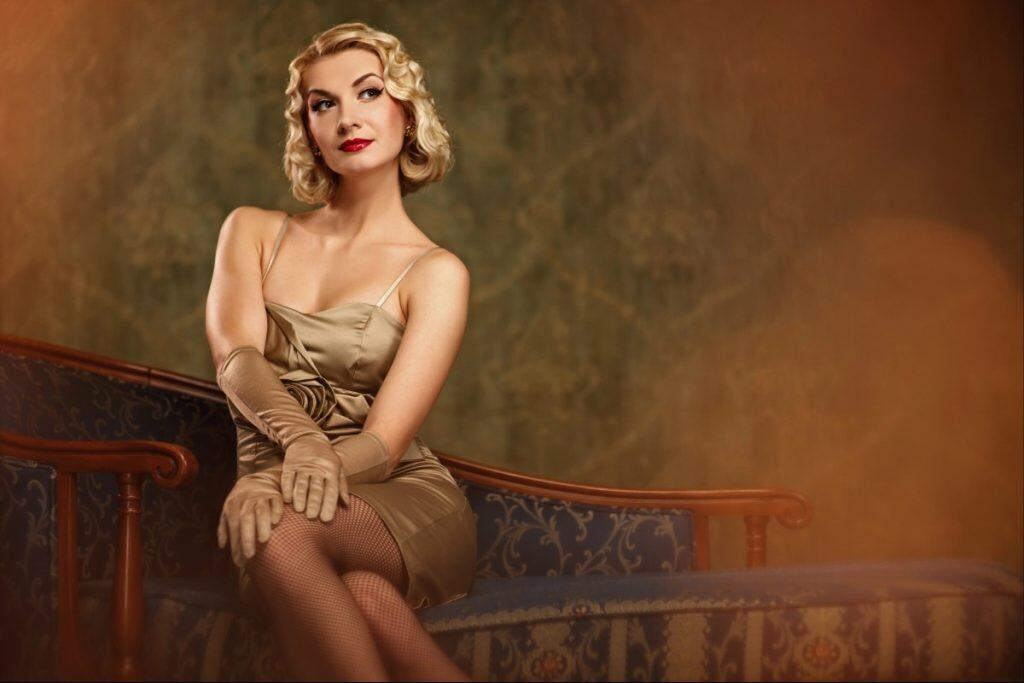
Stars like Jean Harlow and Carole Lombard made bias-cut gowns iconic, their shimmering silhouettes becoming symbols of vintage allure. These gowns created a dreamy femininity that is still revered today. Reinterpreting them brings a nostalgic glow to modern fashion. It is a callback to timeless glamour that feels fresh, not costume like.
Related Post:12 Sewing Techniques That Add Instant Drama, Texture, and Volume
Allows for Unexpected Design Play

Designers can manipulate how stripes, florals or patterns fall by using the bias cut. Diagonal stripes, spiraling motifs and twisted drapes all become possible. This gave 1930s gowns visual movement to match their physical fluidity. It is a playground for creativity that more designers are revisiting now.
Related Post:Feeling Stuck? 12 Genius Ways to Rekindle Your Love for Sewing
Resurging in Bridal and Eveningwear
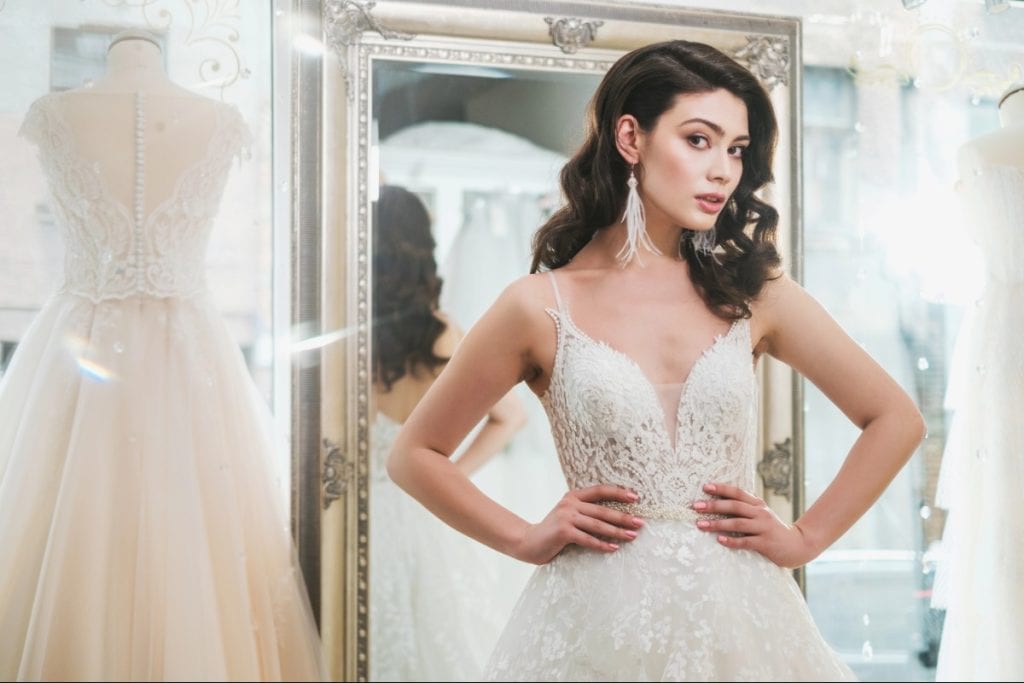
Modern brides and fashion lovers are gravitating toward bias-cut designs for their soft structure and romantic flow. From runway shows to wedding aisles, the 1930s revival is here. It is a sign that we are yearning for elegance that feels personal, not over produced. The return of the bias cut is not just a trend, it is a love letter to timeless beauty.
Related Post:12 Ways to Finish Sewing Projects Faster Without Sacrificing Quality
The 1930s popularized a graceful, body-skimming style of glamour that emphasized natural curves without the need for rigid structure or corsets. This fluid elegance was achieved through the bias cut, a technique that allowed fabric to drape beautifully. Today, this method is experiencing a revival, celebrated for how effortlessly it flatters the body. Once understood, its enduring appeal becomes clear.
Disclaimer: This list is solely the author’s opinion based on research and publicly available information.
Why 1950s Dressmaking Techniques Are More Relevant Than Ever
The 1950s were a golden age of fashion when dressmaking was considered both an art and a skill passed down through generations. Women crafted their own clothing with care, precision and pride, creating garments that lasted decades. Today, in the age of fast fashion and mass production, many are returning to these vintage techniques not just for nostalgia but for quality, sustainability and individuality. Let us explore why 1950s dressmaking methods are making a powerful comeback and why they matter more than ever.
Read it here: Why 1950s Dressmaking Techniques Are More Relevant Than Ever
Sew Smarter Not Harder, 15 Genius Shortcuts to Slash Your Stitching Time

Sewing is a fun and creative hobby, but it can sometimes feel like it takes forever to finish a project. Whether you are a beginner or an experienced sewer, time is often a major factor in how much you can create. Fortunately, there are ways to sew smarter, not harder. These 15 genius shortcuts will help you cut down on stitching time, streamline your process and still create beautiful pieces. Get ready to sew like a pro without all the extra effort!
Read it here: Sew Smarter Not Harder, 15 Genius Shortcuts to Slash Your Stitching Time
13 Sewing Mistakes Every Beginner Makes and How to Fix Them Fast

Sewing is much more than just stitching fabric together, it’s a form of art that allows you to express your creativity, transform simple materials into something beautiful and create unique pieces that tell your personal story. However, like any skill, mastering sewing comes with its own set of challenges. Whether you are a complete beginner or someone with a few projects under your belt, it’s completely normal to encounter a few bumps along the way. Whether you are working on your first dress or tackling a challenging quilt, there’s always room to grow and improve. So let’s dive into some of the most frequent mistakes beginners make and how to fix them like a pro, so you can embrace the art of sewing with confidence and finesse!
Read it here: 13 Sewing Mistakes Every Beginner Makes and How to Fix Them Fast
You’ll love these related posts:
- Sewing Shortcuts You Wish You Knew Sooner 13 Time Saving Tips
- Declutter Like A Pro 13 With These Genius Tricks for A Tidy Sewing Room
- 15 Pro-Level Sewing And Fashion Tricks To Elevate Your Wardrobe
- 12 Mistakes to Avoid When Sewing a Button and How to Fix Them
- Sewing for Rookies, A Foolproof Guide To Perfect Stitches
