
Can You Really Tell the Difference Between Hand-Stitched vs. Machine-Made?
When it comes to fine tailoring, one of the most common debates is whether you can truly tell the difference between hand stitched garments and those made by machine. Hand stitching, often seen as a mark of craftsmanship, promises a unique quality, but does it live up to the hype? On the other hand, machine made clothing is often quicker, more affordable and in many cases, just as durable. So, can you really notice the difference when you look at a hand stitched garment compared to one made by a sewing machine?
Stitch Quality and Consistency
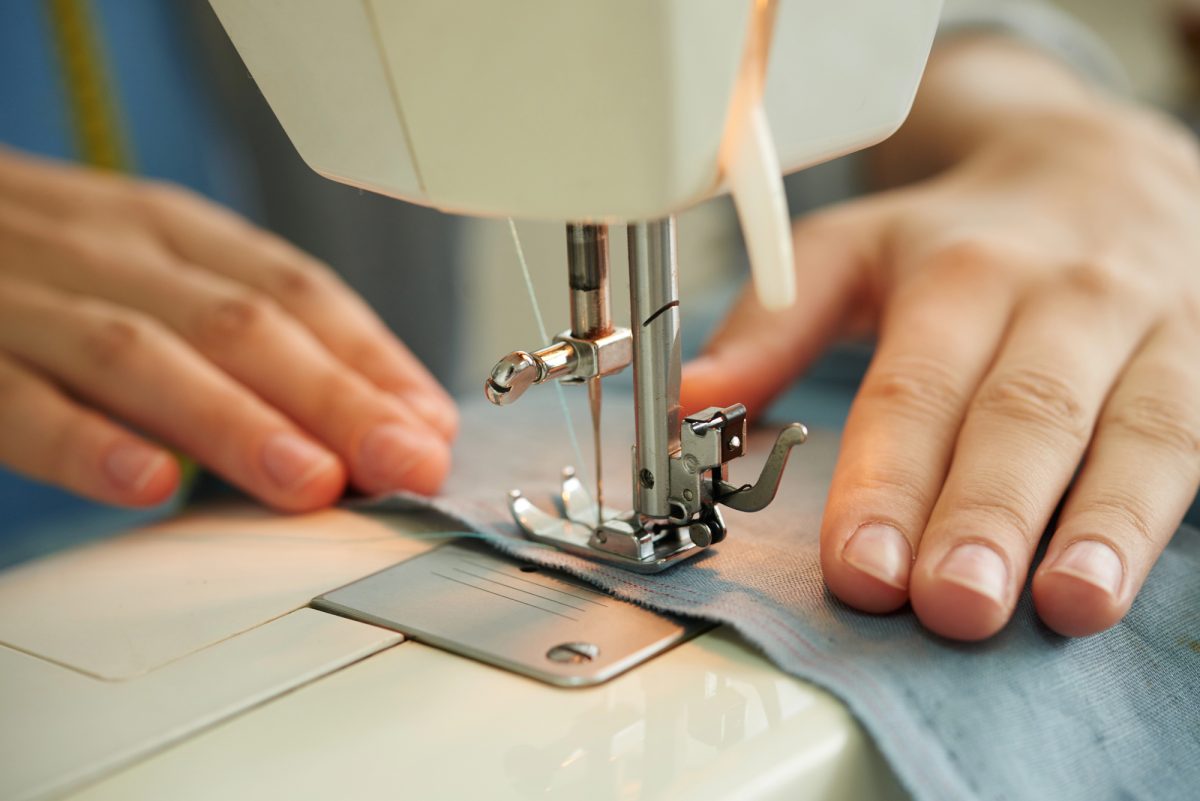
One of the most noticeable differences between hand stitched and machine made garments lies in the stitching itself. Hand stitched garments typically have uneven, organic stitches that show the personal touch of the tailor. These irregularities give a garment character and uniqueness. Machine made stitches, on the other hand, are perfectly consistent in length and spacing, which results in a cleaner, more uniform appearance.
Durability and Longevity
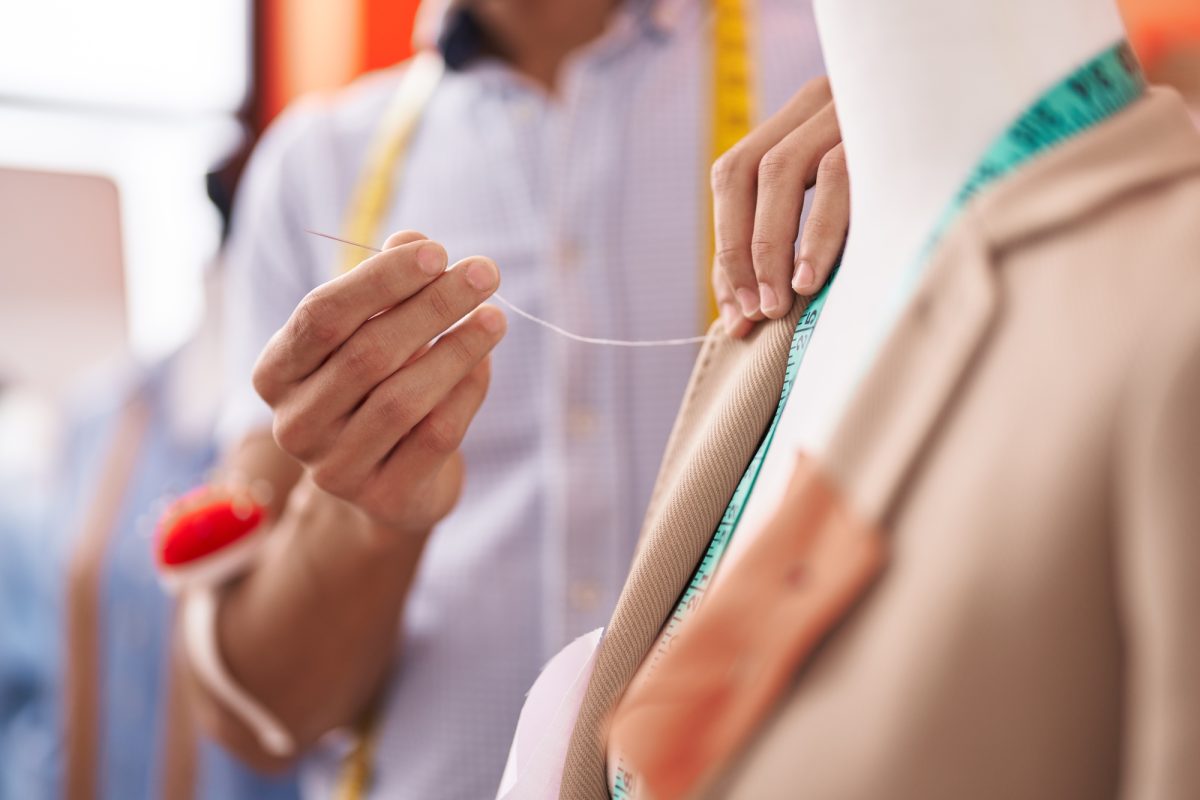
Hand stitched garments are often seen as more durable because the tailor can ensure that the stitches are made with care and precision. With hand stitching, the seams are often more flexible, allowing for better movement, which can increase the lifespan of a garment. Machine made garments, while durable, may not have the same level of flexibility. Over time, machine stitches can sometimes weaken, especially if the tension is off or if the fabric is under stress. Hand stitching, done properly, offers superior longevity, especially in high stress areas like hems or buttonholes.
Attention to Detail
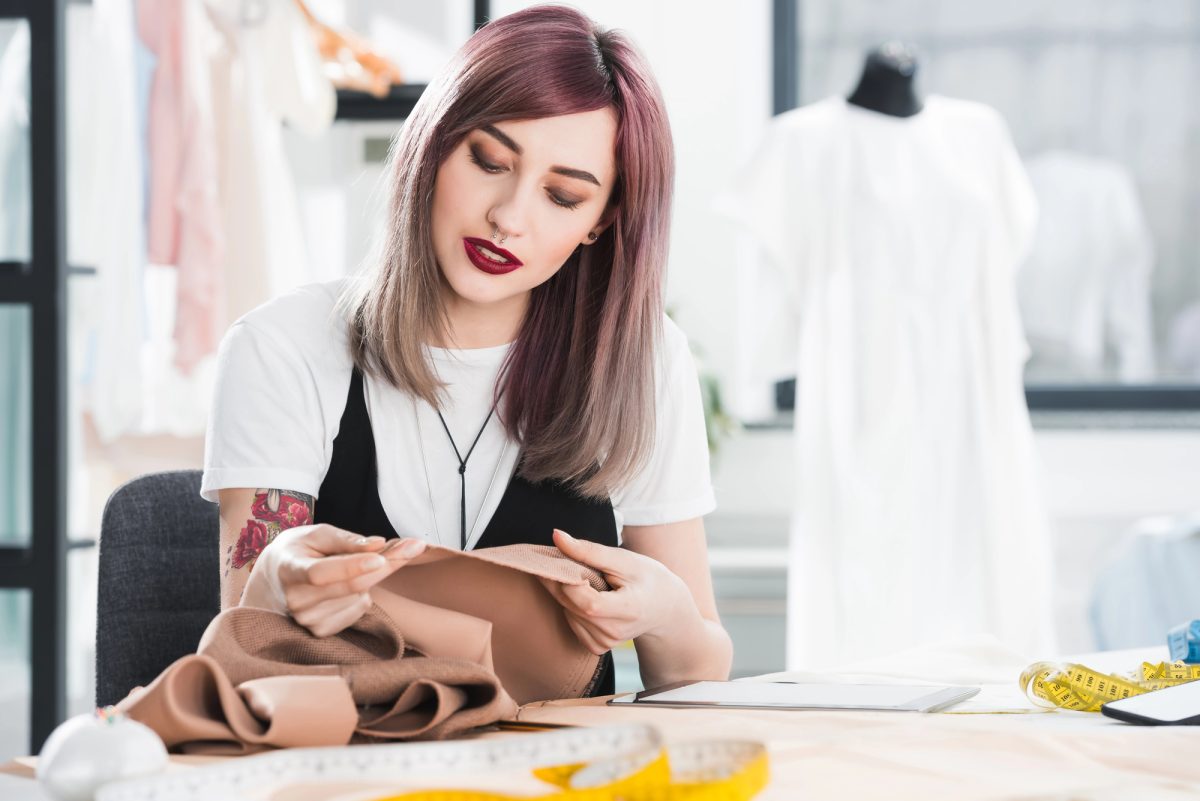
Hand stitching allows for much greater attention to detail, especially when it comes to intricate parts of a garment, such as the collars, cuffs and linings. A skilled tailor can add subtle touches, like reinforcing seams or adding invisible stitches to make a garment more refined. Machine made clothes often lack this level of detailed attention and while they are precise, they sometimes miss those small finishing touches that make hand-stitched garments stand out.
Flexibility and Comfort
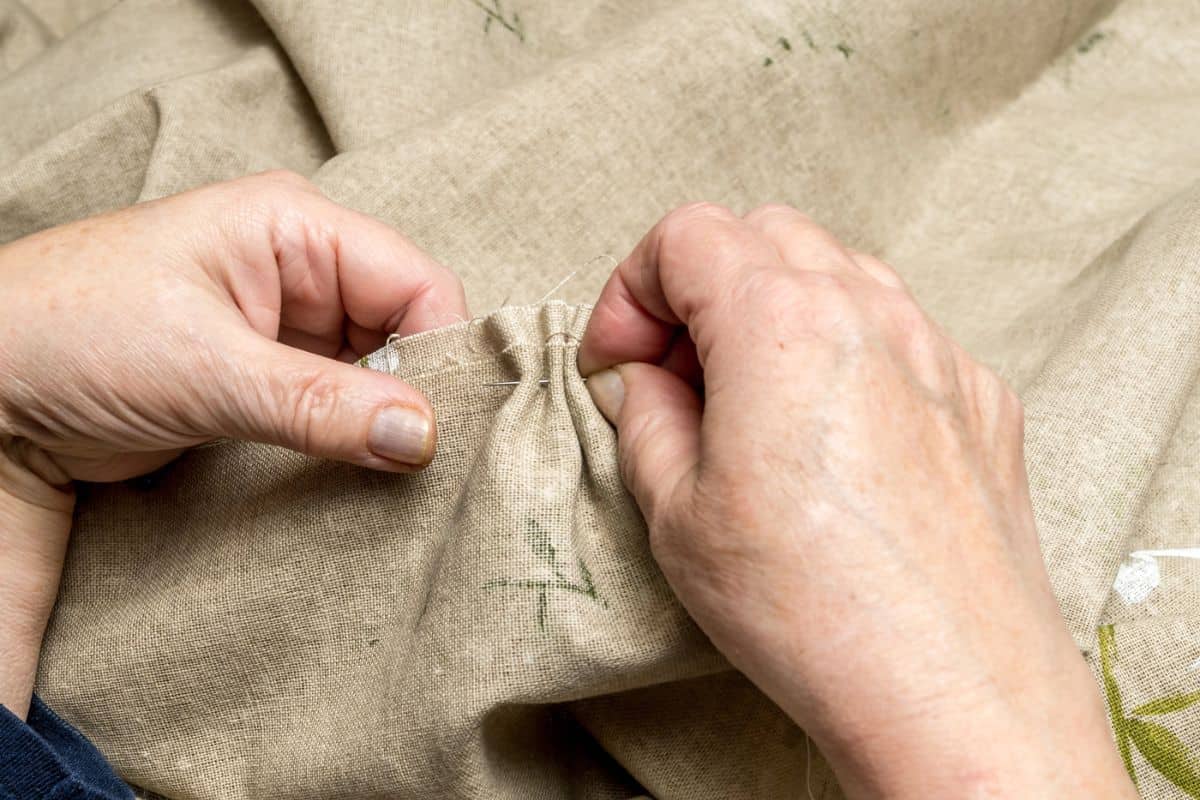
Because hand stitching involves more manual dexterity, it can be more adaptable to different fabrics and styles. Tailors can make adjustments as they work, ensuring that the stitching complements the structure and flow of the fabric. This results in a garment that moves with your body and feels more comfortable. Machine made garments are limited by the settings of the machine and may not have the same degree of flexibility in how they adjust to different materials, which can result in a slightly stiffer garment that does not mold to the wearer’s form as effectively.
Aesthetic Appeal
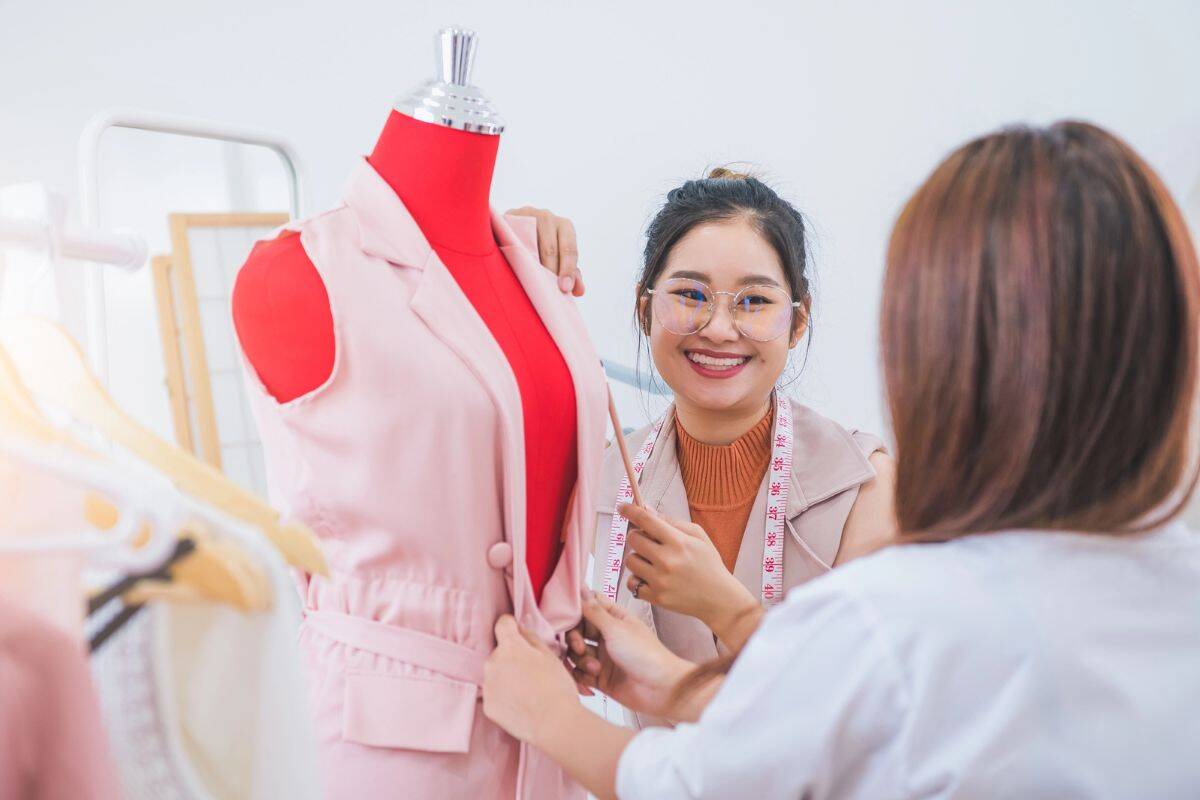
The aesthetic appeal of hand stitched versus machine made garments is often a matter of personal preference. Hand stitching tends to have a more organic, bespoke look, which many people find appealing for high end or custom garments. Machine made garments, while precise and often sleek, can sometimes feel less personal. Hand-stitched clothing can embody the craftsmanship and artistry of the maker, giving it a unique, high quality feel.
Cost and Accessibility
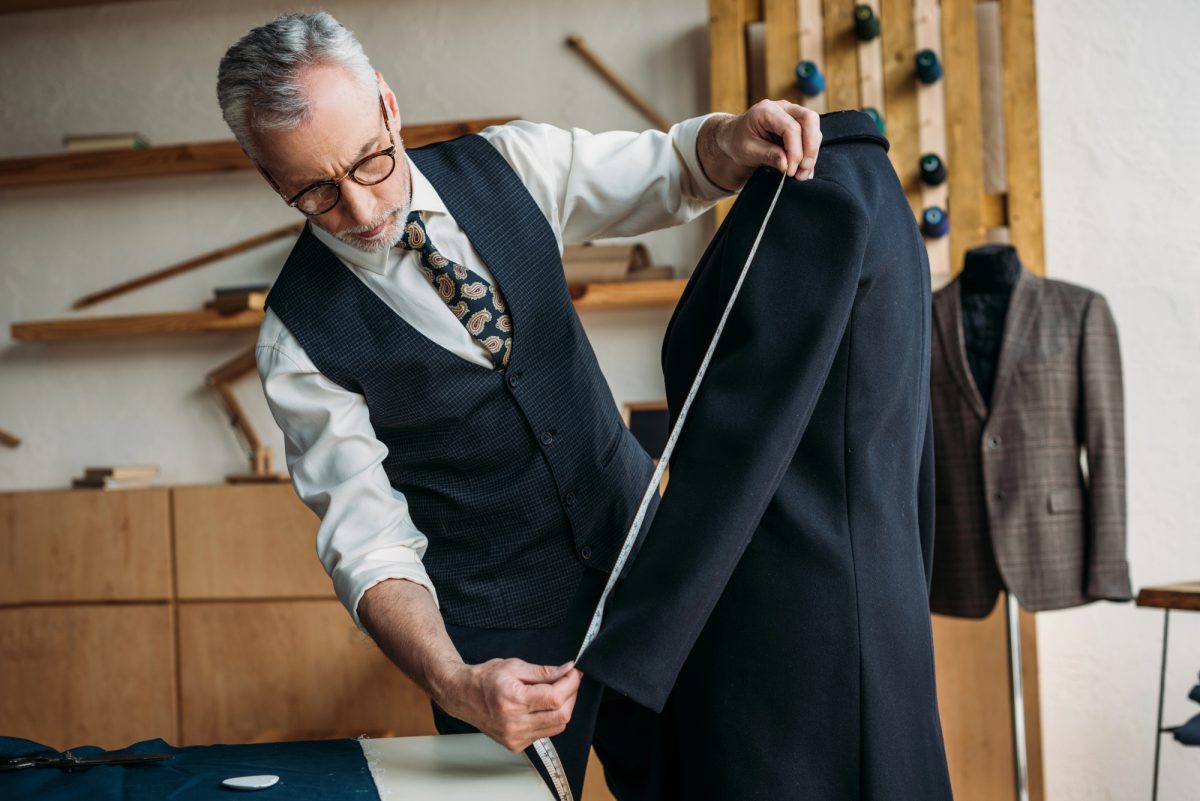
Hand stitching is a labor intensive process, which means garments made by hand are often much more expensive than those produced by machines. Skilled labor, time and expertise are required to create the kind of hand stitched garments that many high-end designers are known for. This price tag makes hand stitched clothing less accessible to the average consumer. On the other hand, machine made garments are far more affordable and readily available.
Related Post: The Finishing Detail That Separates Handmade From High-End: 10 Steps To Achieve It
Speed of Production
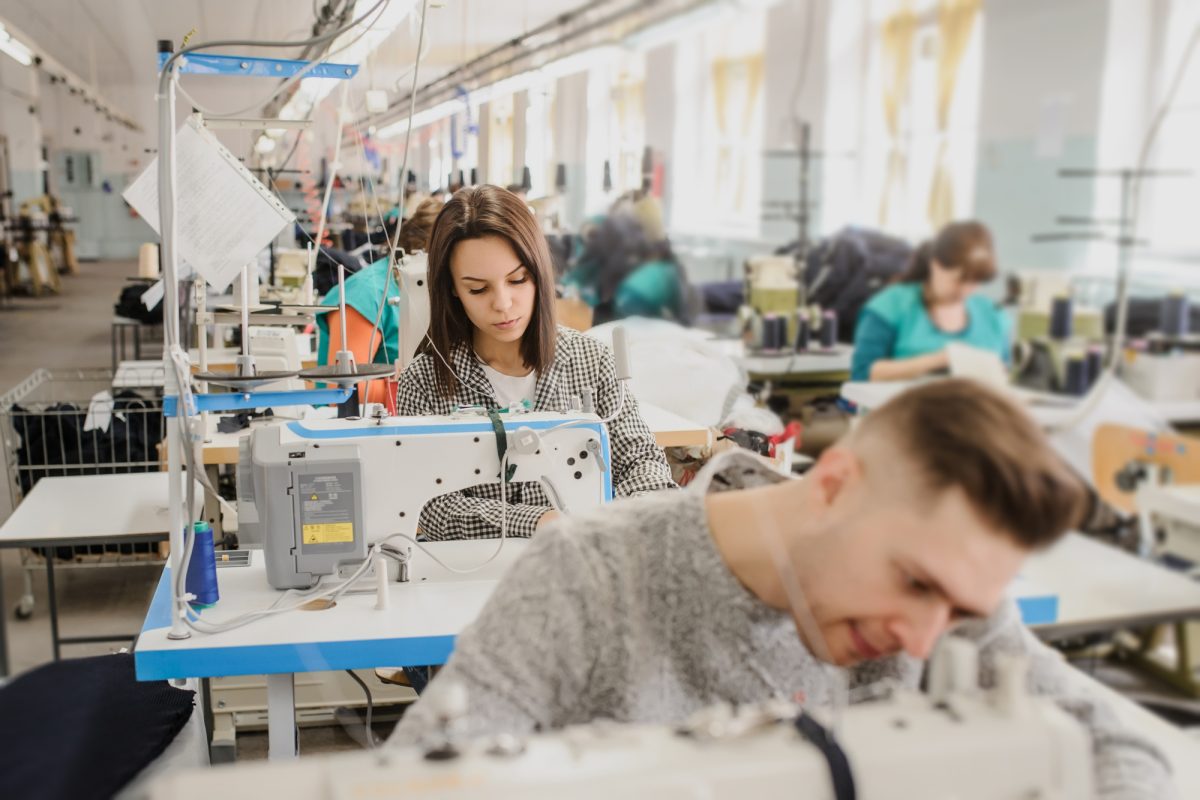
Machine made clothing is, hands down, faster to produce than hand stitched garments. This is a major reason why most mass produced clothing is made by machines, they allow for rapid manufacturing and lower costs. Hand stitching, however, is a slow process that requires careful attention at every step. The amount of time it takes to sew a garment by hand can stretch into days, depending on the complexity of the design. While hand stitching produces a higher quality garment, it requires patience, which makes it less practical for high volume production.
Related Post: 12 Genius Ways to Elevate Your Craft Without Spending a Fortune
Sustainability
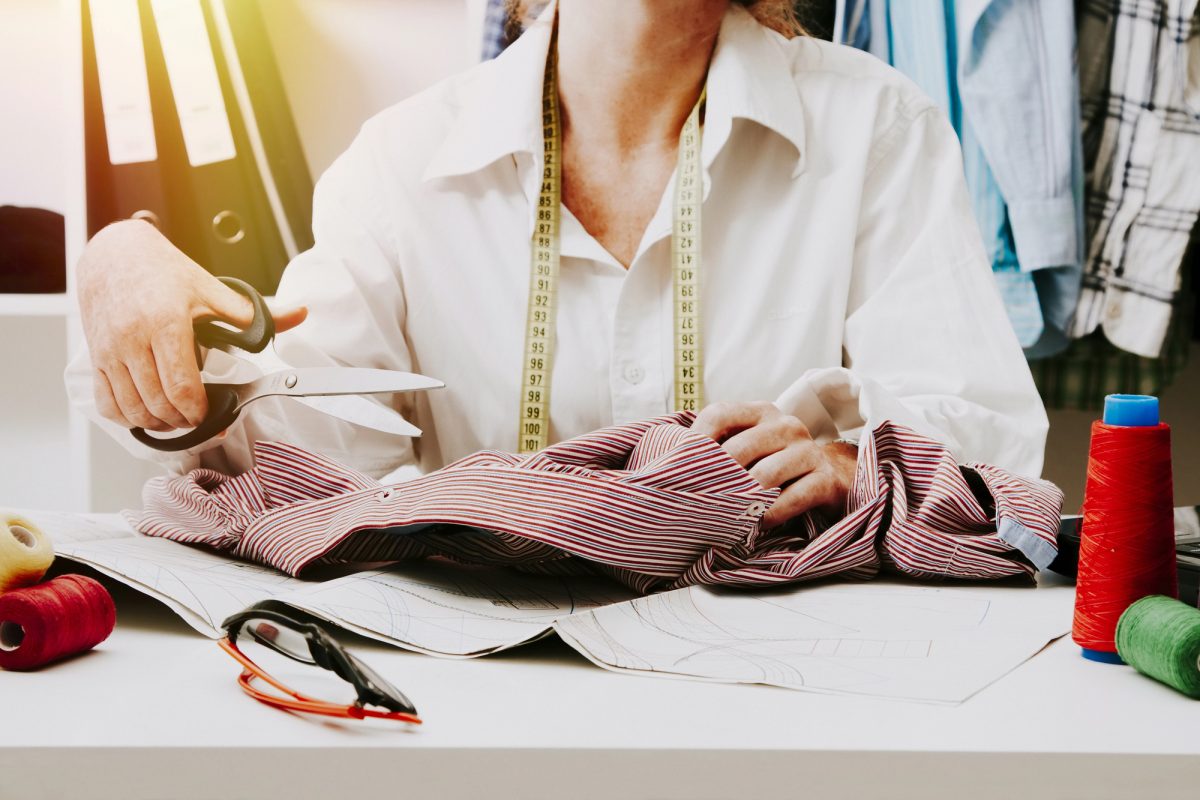
Because hand stitched garments are made with such attention to detail and care, they are often more durable and long lasting. This means they do not need to be replaced as frequently, which is better for the environment in the long run. Machine made clothing, especially when mass-produced, often falls under the category of fast fashion, which contributes to environmental waste and overproduction.
Related Post: 14 Genius Sewing Hacks for Seam Perfection Every Time
Repairs and Alterations
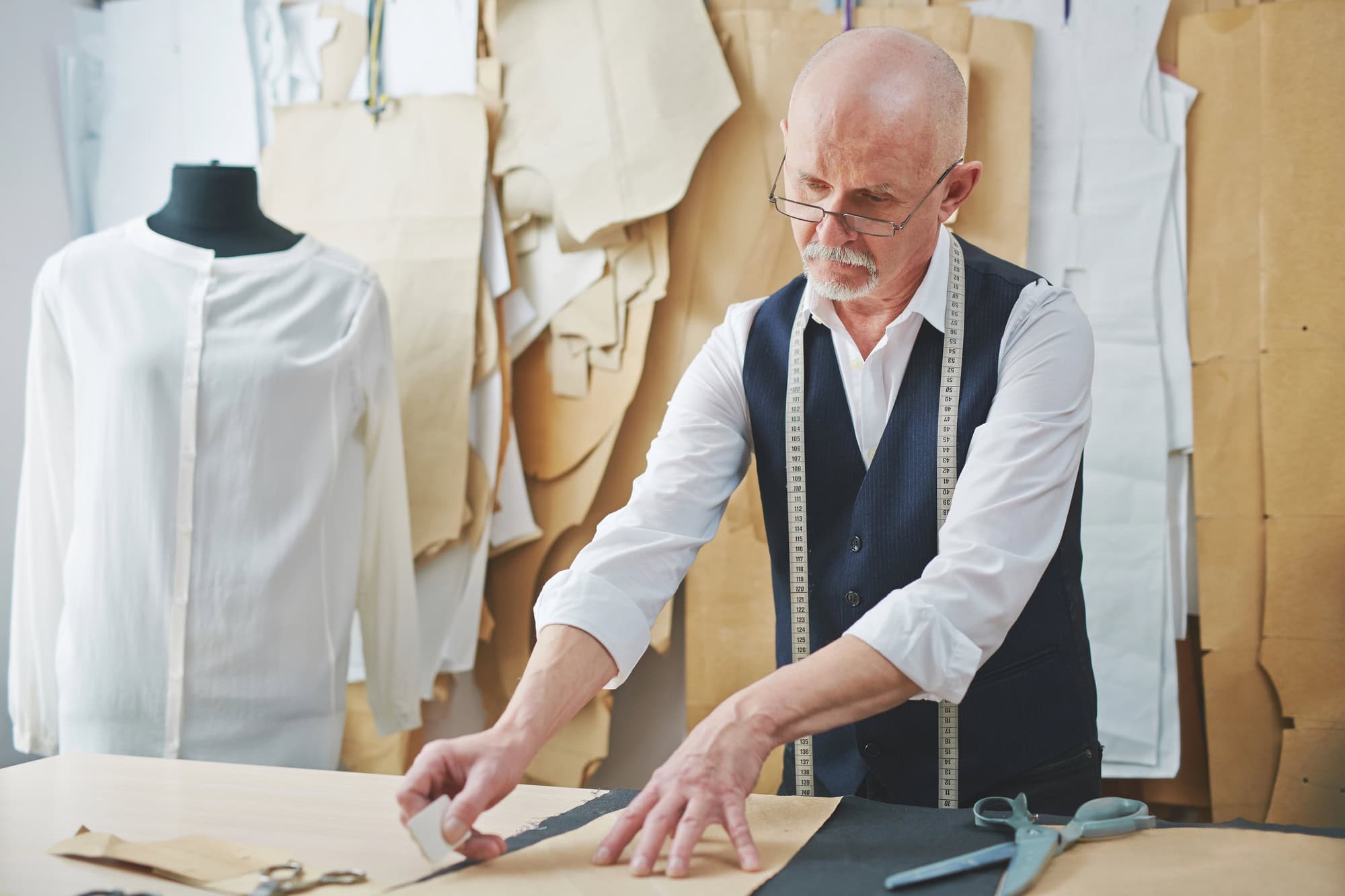
Hand stitched garments are often easier to repair and alter than their machine made counterparts. If a button falls off or a seam comes undone, a skilled tailor can repair the garment without compromising its integrity. This is because hand stitched fabrics tend to be more flexible and forgiving. Machine-made garments, however, may require specialized knowledge to fix, especially if the stitching is done by a sewing machine with a specific pattern or tension. This can make repairs more challenging and costly over time, especially if the machine made garment is complex.
Related Post: 15 Old-School Sewing Room Hacks That Will Change Your Life
The Personal Connection
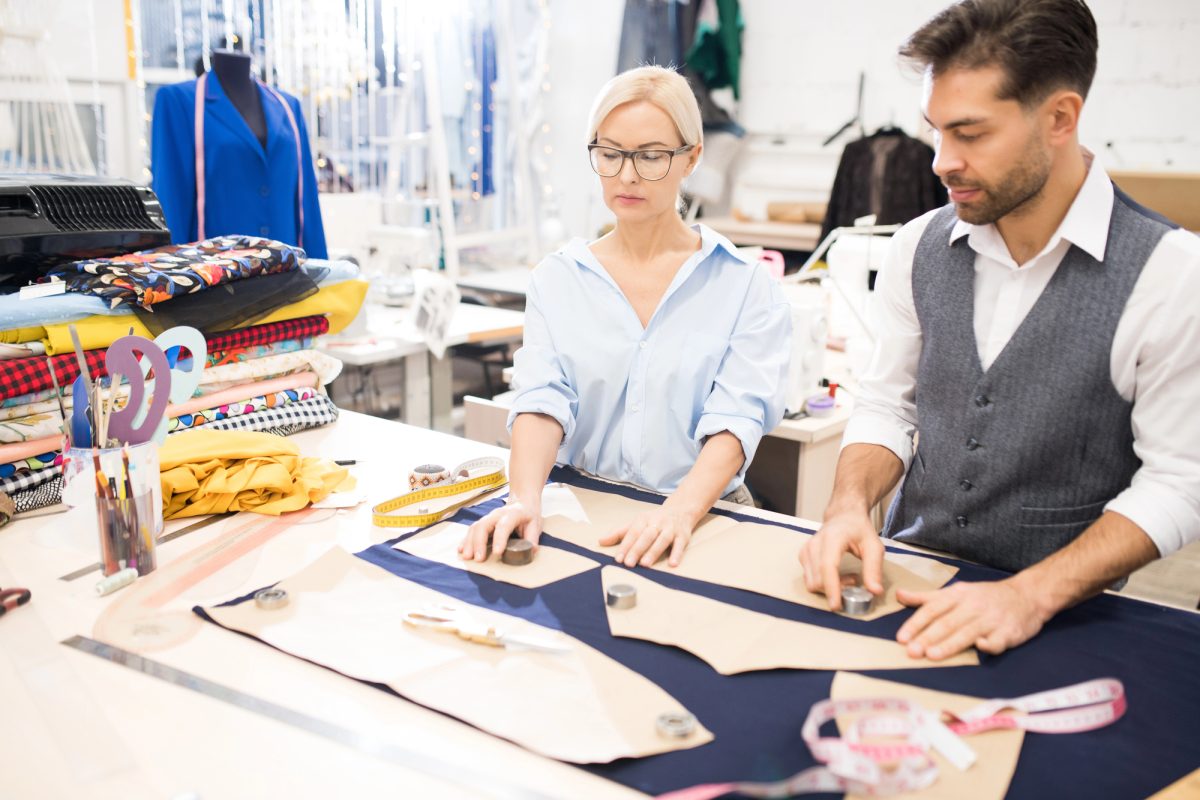
When you buy a hand stitched garment, you are often engaging with a tailor who takes the time to understand your body shape, style preferences and even personal story. This connection adds a level of significance and intimacy to the garment. In contrast, machine made garments, even if well designed, lack this personal connection. They are often the product of a factory or mass production process, where the focus is on efficiency rather than individualized care. Hand stitched clothing reflects the skill and artistry of the maker, making it a more personal, thoughtful purchase.
Related Post: You Will Never Look at Old T-Shirts the Same Way After These 15 Hacks
Emotional Value and Storytelling

Hand-stitched garments often carry stories, of time, care and the hands that made them. Whether it is a family heirloom or a bespoke piece made for a special event, these clothes hold emotional value that is hard to replicate. Every stitch tells a tale and that sentiment adds immeasurable worth. Machine made garments may be beautiful, but they rarely come with the same depth of narrative and connection.
Related Post: 15 DIY Embellishment Hacks That Will Instantly Elevate Your Projects
Fit and Form Precision
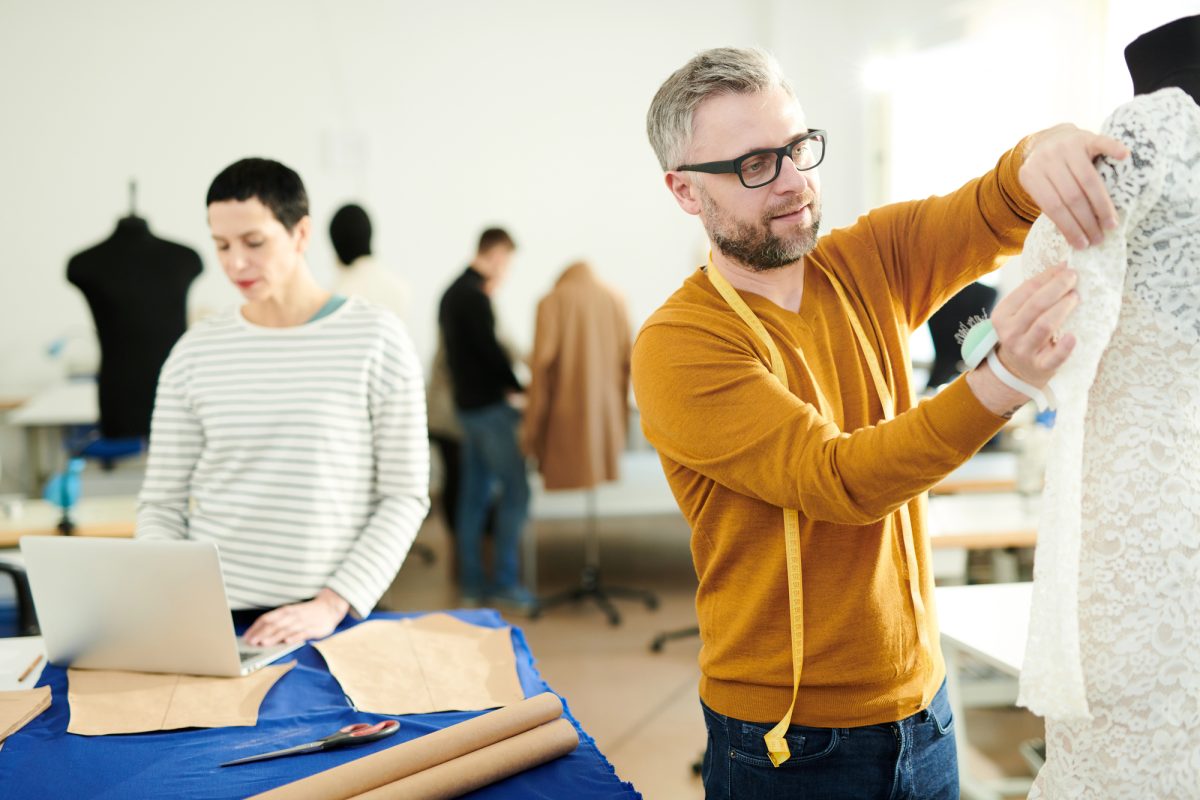
Hand stitching allows for real time adjustments to ensure a garment hugs every curve and contour perfectly. Unlike factory patterns that aim for averages, a tailor can customize each part to match your body’s unique proportions. This results in a silhouette that feels sculpted just for you. Machine made clothes might be well-cut, but they often miss the exacting fit that comes from manual tailoring.
Related Post: 12 Hand Sewing Secrets That Will Change the Way You Stitch Forever
The difference between hand stitched and machine made garments is more than just aesthetic; it is about the level of craftsmanship, durability and personal connection with the clothing. Hand stitched pieces stand out for their unique, tailored fit, attention to detail and longevity, but they come at a higher cost and slower production time. Machine-made garments, while more affordable and efficient, might lack the same bespoke quality but still offer consistency and practicality. Ultimately, whether you choose hand stitching or machine made depends on your priorities, whether you value the artistry and investment of a bespoke garment, or prefer the speed and convenience of something ready made.
Disclaimer: This list is solely the author’s opinion based on research and publicly available information.
Sewing for Rookies, A Foolproof Guide To Perfect Stitches

Sewing may seem like an intimidating craft but with the right guidance and some practice, you can go from a complete rookie to stitching like a pro. Whether you are looking to repair a tear, customize your clothes or dive into making your garments, mastering the basics of stitching is essential. In this foolproof guide, we will take you step by step through the art of sewing, breaking it down into simple and easy to follow tips for getting perfect stitches every time. Ready to thread your needle and get started?
Read it here: Sewing for Rookies, A Foolproof Guide To Perfect Stitches
Avoid These 10 Stitching Fails That Can Ruin Any Outfit

Sewing your own clothes can be a fun and rewarding experience, but it’s easy to fall into the trap of making common mistakes that can completely ruin your project. From messy seams to poorly finished hems, these stitching fails can turn your beautifully sewn outfit into a disaster. To help you avoid those frustrating moments, here’s a guide on the 10 stitching fails to watch out for and how to fix them.
Read it here: Avoid These 10 Stitching Fails That Can Ruin Any Outfit
Your First Stitch to Your First Outfit: Sewing for Absolute Beginners

Yarn is not just for knitting your grandma’s sweater anymore. Whether you are a craft enthusiast or someone looking for a new hobby, yarn is one of the most versatile and fun materials to work with. It’s perfect for creating everything from cozy home decor to unique accessories that scream personality. If you are ready to get crafty and unleash your inner designer, here are 15 insanely creative yarn crafts you absolutely need to try. Trust me, your DIY game will never be the same!
Read it here: Your First Stitch to Your First Outfit: Sewing for Absolute Beginners
