
Thread Around The World! Weaving Traditions You’ll Love
Weaving traditions are as old as human civilization itself, passed down through generations, carrying with them cultural significance and intricate artistry. From the vibrant textiles of Africa to the delicate silks of Asia, weaving is a practice that binds history, community and creativity. Whether you are discovering the bold patterns of Mexican talavera or the intricate techniques of Japanese kumihimo, each weaving tradition offers a unique lens through which to experience the world’s rich tapestry. Let us explore these timeless techniques, bringing a global sense of artistry and craftsmanship into your own hands.
Mexican Talavera
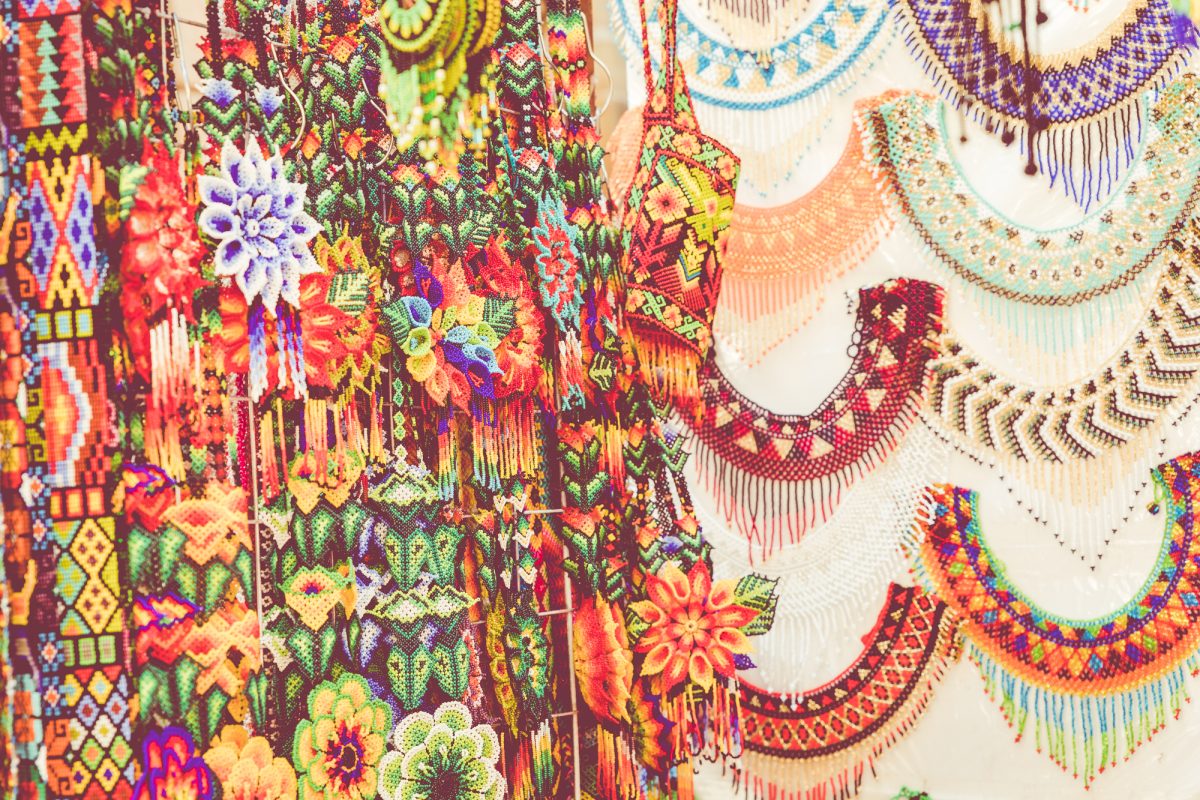
Known for its bold, geometric patterns and vivid colors, Talavera weaving from Mexico represents a deep cultural connection to indigenous artistry. The handwoven designs often feature earthy tones mixed with blues, reds and yellows, symbolizing the vibrancy of Mexican heritage. Whether on textiles or pottery, these intricate patterns evoke a sense of place and history. It is a joyful celebration of community, storytelling and craft that adds brightness and energy to any space or wardrobe.
Andean Weaving
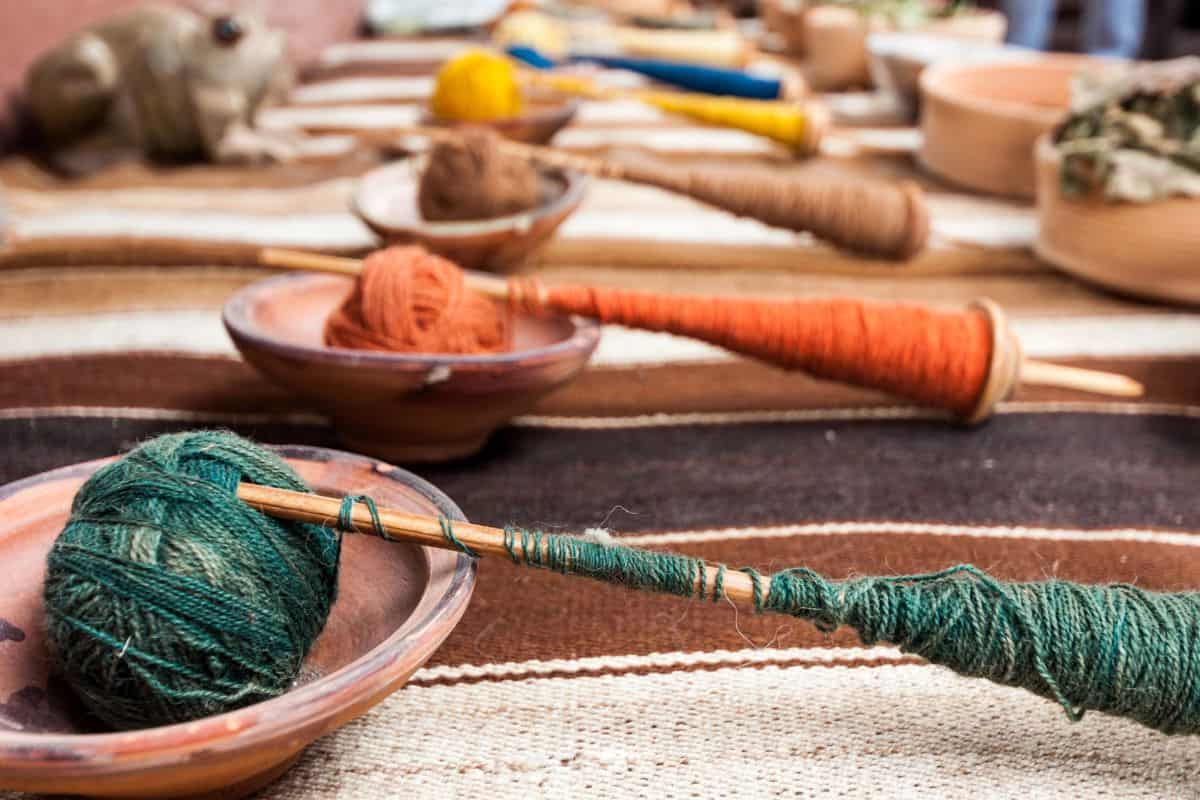
In the Andean highlands, weaving is not just a craft, it is a spiritual practice that honors ancient traditions. Using alpaca and llama wool, artisans create textiles that are rich in symbolism, often weaving in tales of their ancestors or sacred landscapes. The colors are naturally dyed using plants and minerals found in the local environment, giving each piece a connection to the land itself. It is a beautiful way to bring the spirit of the Andes into your life, with every thread woven from the wisdom of generations.
West African Kente Cloth
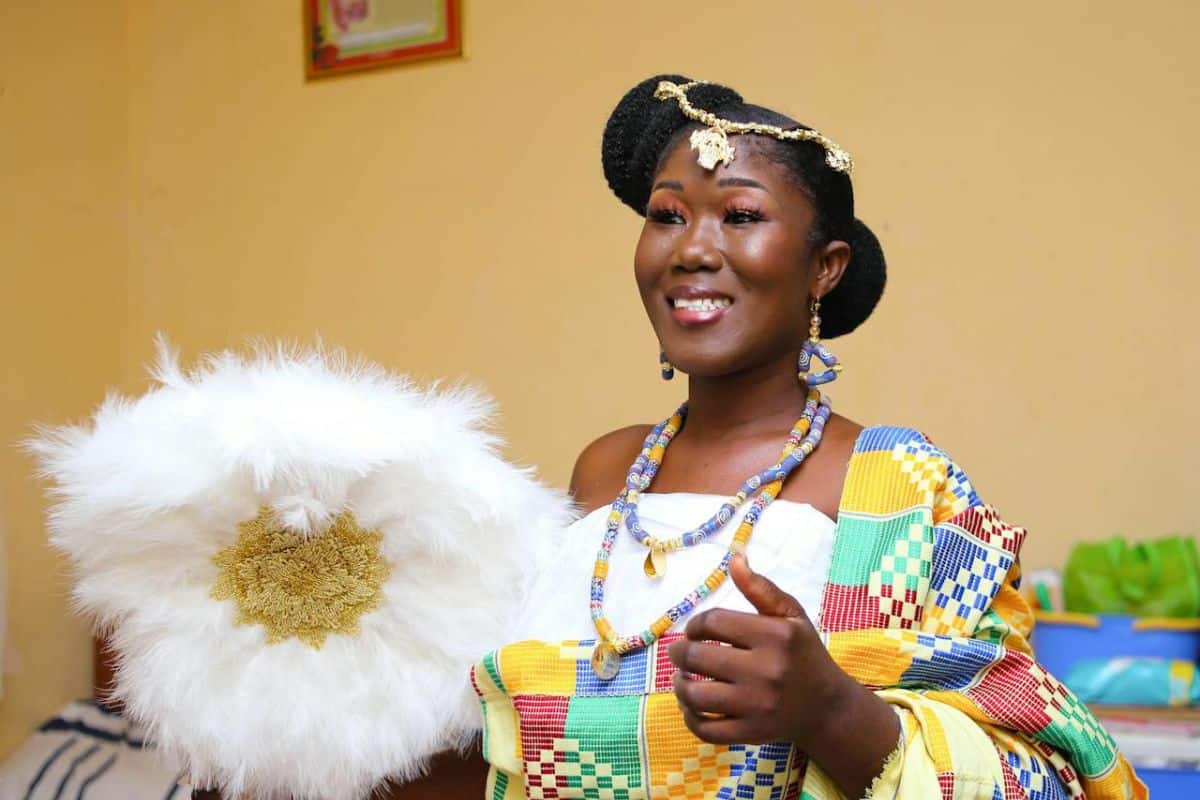
Kente cloth from Ghana is known for its vibrant colors and intricate patterns, each design symbolizing a specific story, proverb or historical event. Traditionally handwoven on narrow looms, this fabric was once reserved for royalty and special ceremonies. Today, Kente cloth carries a message of pride, heritage and unity, making it a powerful statement in both fashion and art. Each strip of fabric is a visual story, a tapestry of culture that speaks to the past while embracing the future.
Indian Ikat
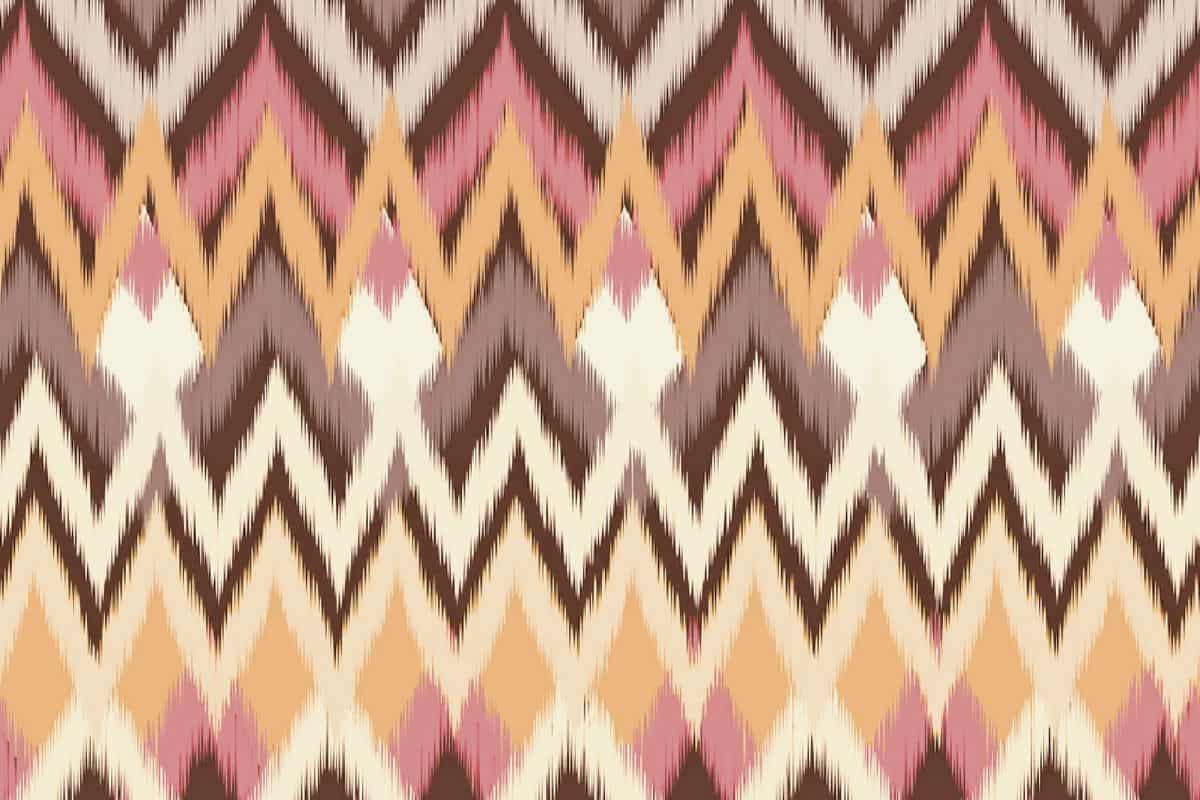
Ikat weaving, a technique found throughout India, involves resist dyeing threads before they are woven into intricate patterns. The result is a blurred, almost dreamlike effect, where colors blend and swirl in beautiful harmony. This centuries old technique is used to create everything from elaborate sarees to stunning upholstery fabric, making it a versatile and enduring art form. Ikat is a testament to patience and precision, with each piece a masterpiece of color and craftsmanship.
Japanese Kumihimo
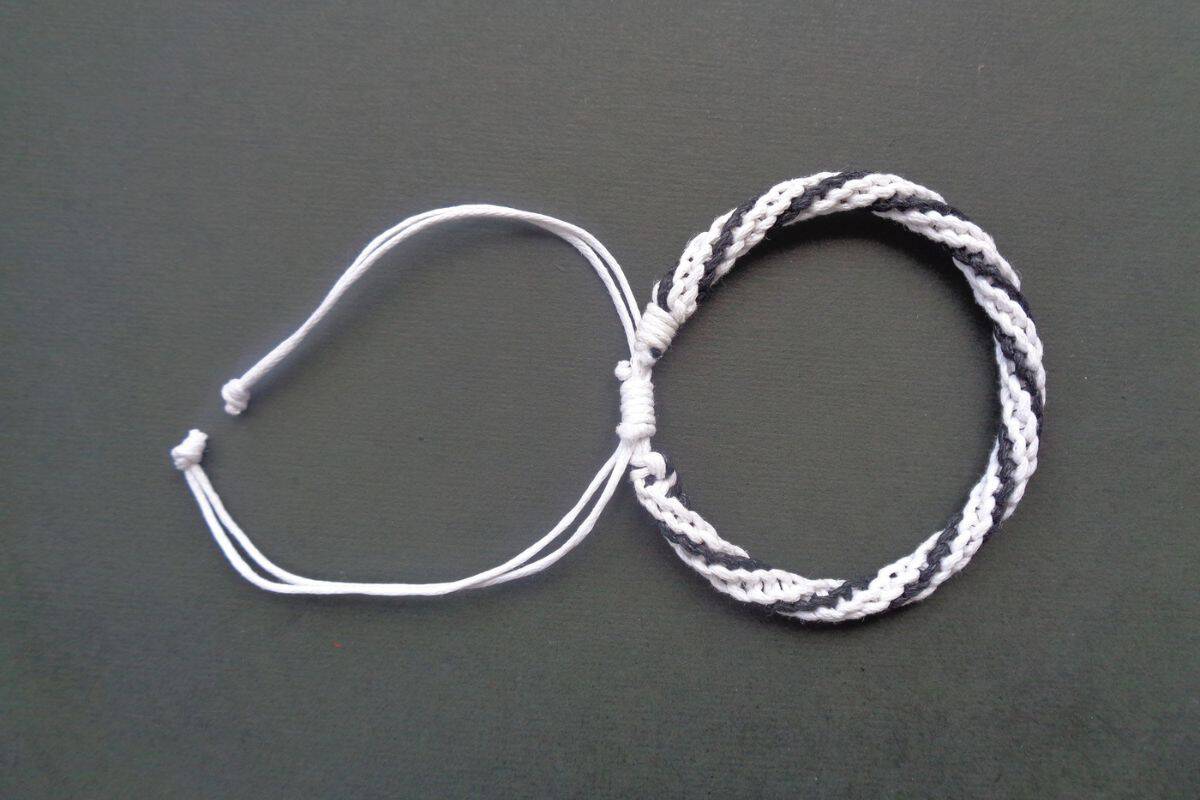
Kumihimo, a traditional Japanese braiding technique, turns simple strands of silk or cotton into intricate cords used in everything from clothing accessories to ceremonial pieces. The patterns created through kumihimo are mesmerizing in their complexity, often incorporating elements of nature, geometry and symbolism. The rhythmic motion of braiding reflects a meditative practice, grounding the maker in the present moment. It is a timeless tradition that connects the past with the future through the art of braiding.
Turkish Kilim
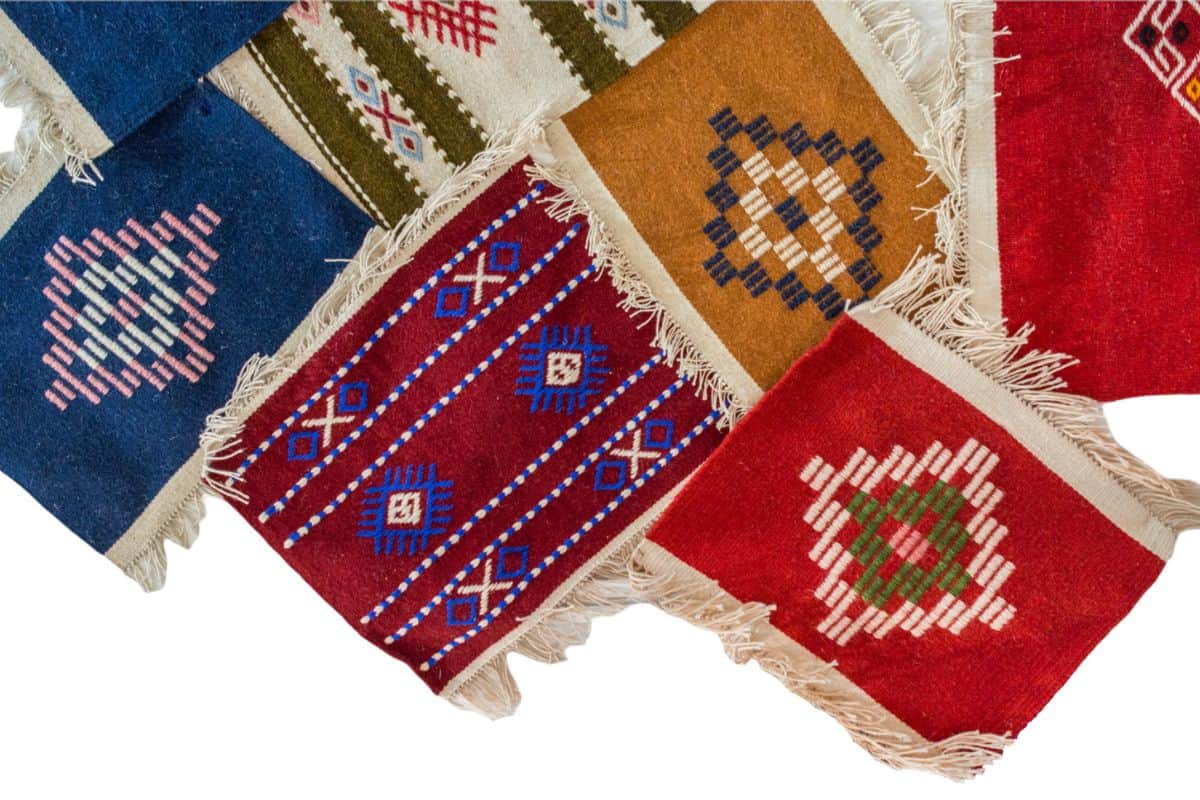
Kilim rugs from Turkey are famous for their flat weave technique, which creates beautifully intricate patterns using only two colors of yarn. Traditionally, kilim rugs were woven by women in rural communities, often reflecting family history, social status or spiritual beliefs through the patterns. The geometric motifs are not only visually striking but also carry deep symbolic meanings, from protection and prosperity to harmony and love. These woven pieces are both practical and spiritual, adding a touch of history and tradition to any home or wardrobe.
Related Post:13 Little-Known Tricks for Perfect Drape in Every Knit and Crochet
Navajo Weaving
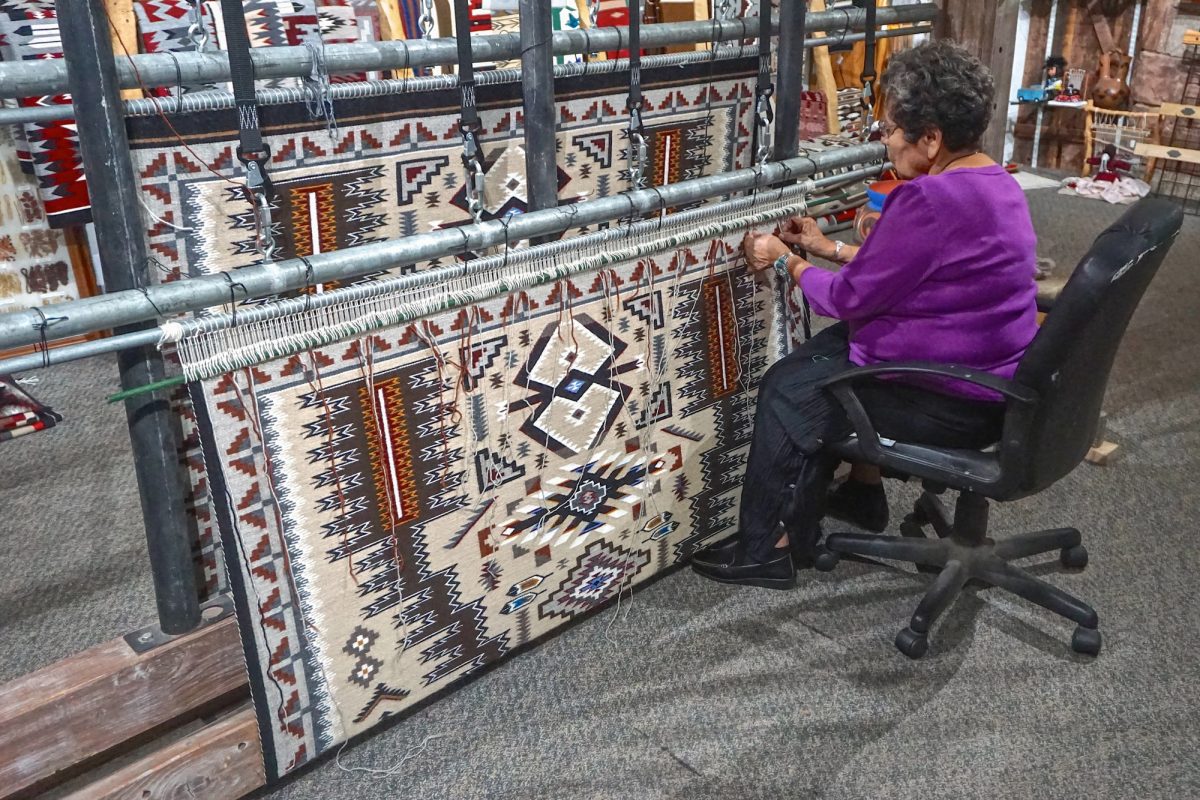
Navajo weaving is deeply rooted in the traditions of the Native American tribe, with each woven piece telling a story of resilience, spirituality and connection to the land. The intricate designs often feature symbolic motifs, such as the diamond, representing both protection and strength. The technique involves spinning wool from sheep, which is then dyed using natural plants and minerals. Navajo textiles are not only functional but sacred, passed down through generations to preserve culture and identity.
Related Post:Revamp Your Crochet With These 15 Unexpected Design Ideas
Scandinavian Rya
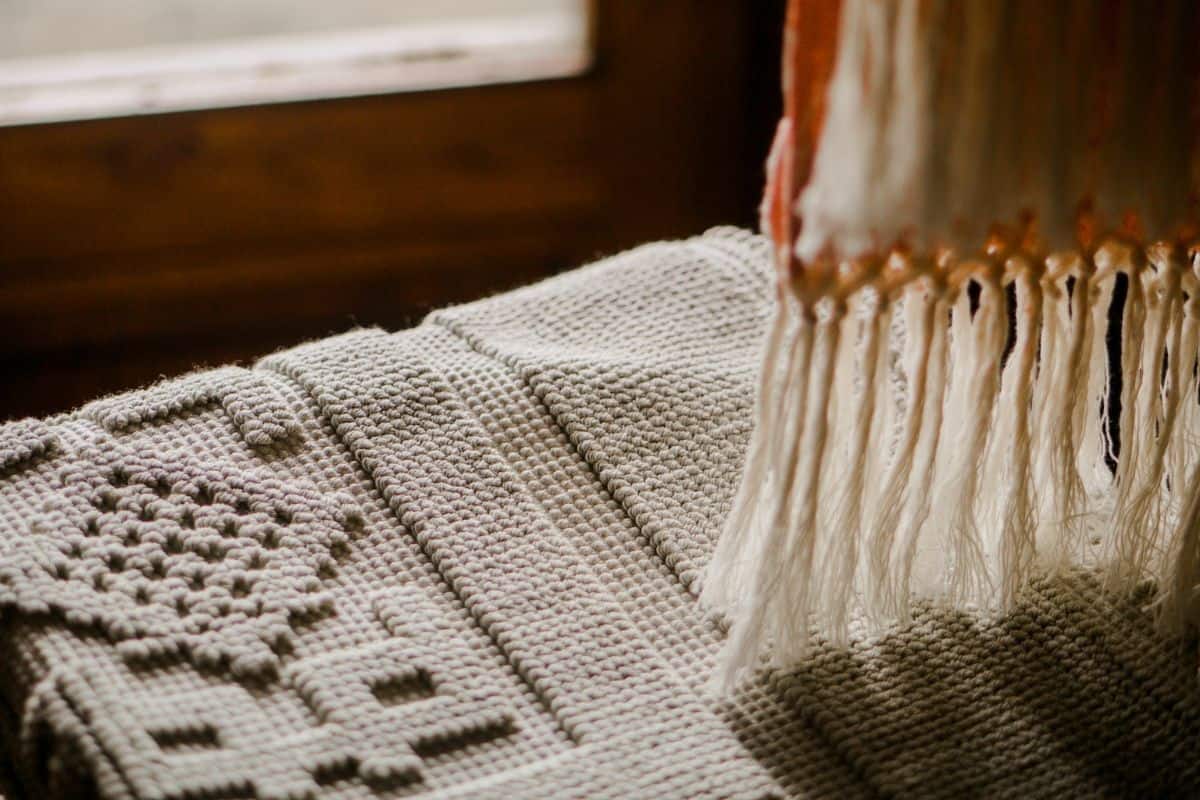
Rya weaving, a Scandinavian technique, is known for its plush, thick pile and vivid colors. Traditionally used to create large rugs or tapestries, the rya technique involves knotting wool yarn onto a linen base to create rich, textured patterns. These textiles were originally used to keep homes warm in cold winters, but over time, they became an important form of artistic expression. Rya weaving is perfect for anyone who loves the idea of functional art that’s both cozy and full of cultural significance.
Related Post:14 Brilliant Tricks To Keep Your Craft Supplies Organized And Handy
Native American Pottery Weaving
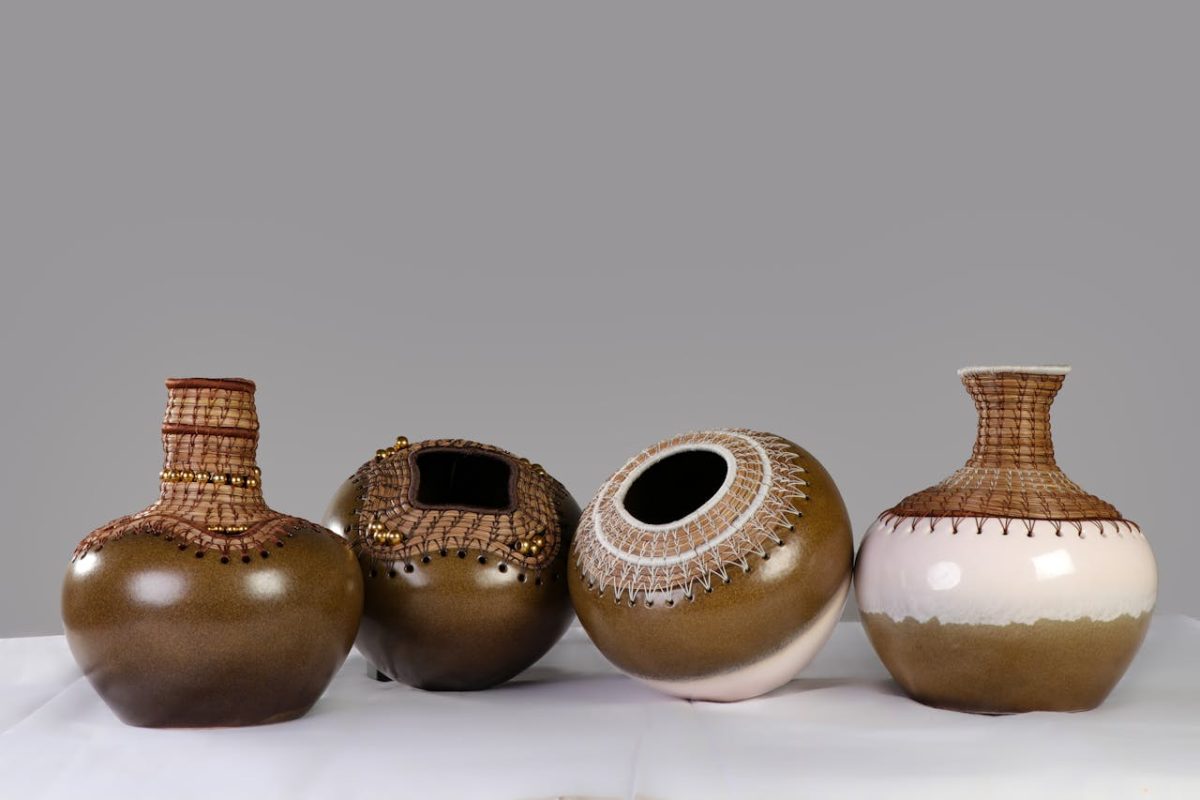
Native American weaving traditions also include a beautiful form of pottery decoration, where woven fiber is used to create stunning patterns on clay vessels. This fusion of pottery and weaving creates a tactile, earthy connection between two ancient arts. The woven patterns often reflect cultural beliefs and spiritual symbols, bringing both function and meaning to the pottery. These woven vessels hold within them the stories of the land and the people who crafted them.
Related Post:13 Genius Craft Room Hacks To Save Time And Boost Productivity
Peruvian Backstrap Loom
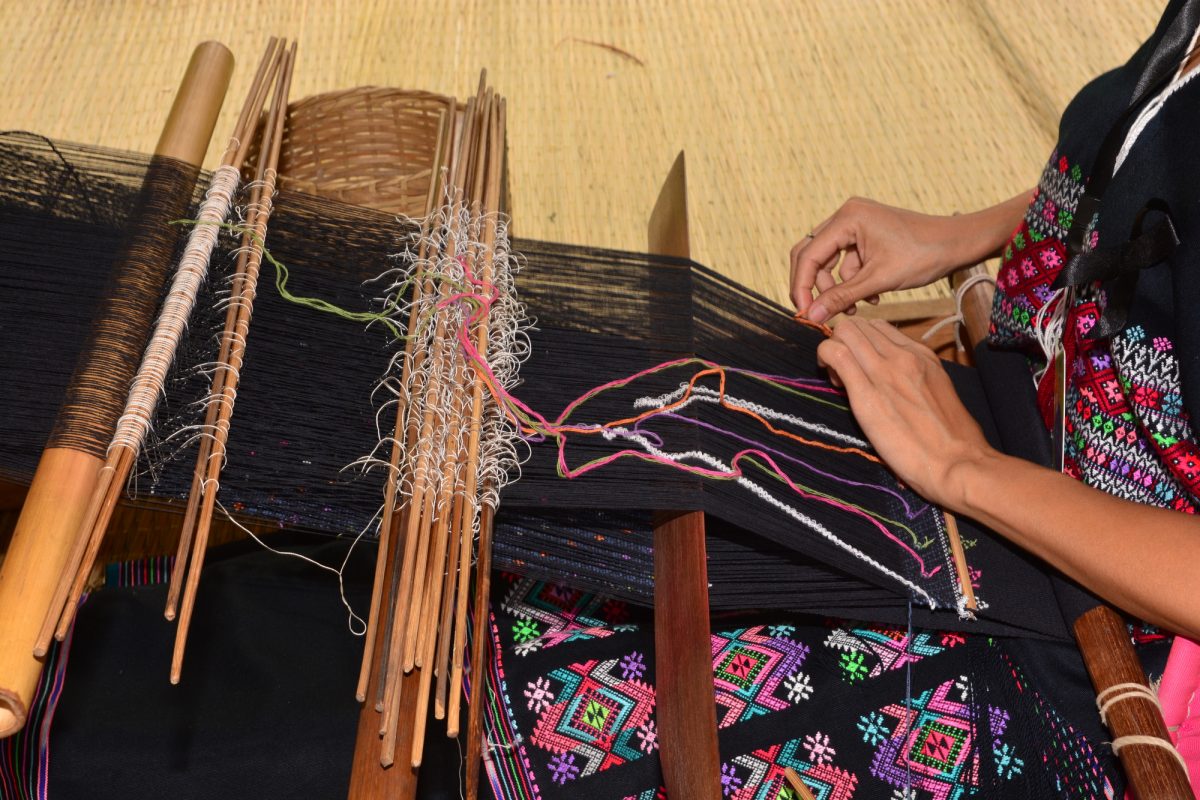
The backstrap loom, still used by artisans in Peru, is a portable weaving technique that has been practiced for centuries. The loom is anchored to the weaver’s body, allowing them to create intricate designs while sitting or standing. This method enables artisans to weave anywhere, even while traveling. The textiles produced with backstrap looms are often made from alpaca wool and dyed with natural ingredients like indigo and cochineal, resulting in vibrant, one of a kind patterns.
Related Post:The Secret to Mind-Blowing Knit Patterns Lies in These 12 Tricks
Southeast Asian Songket
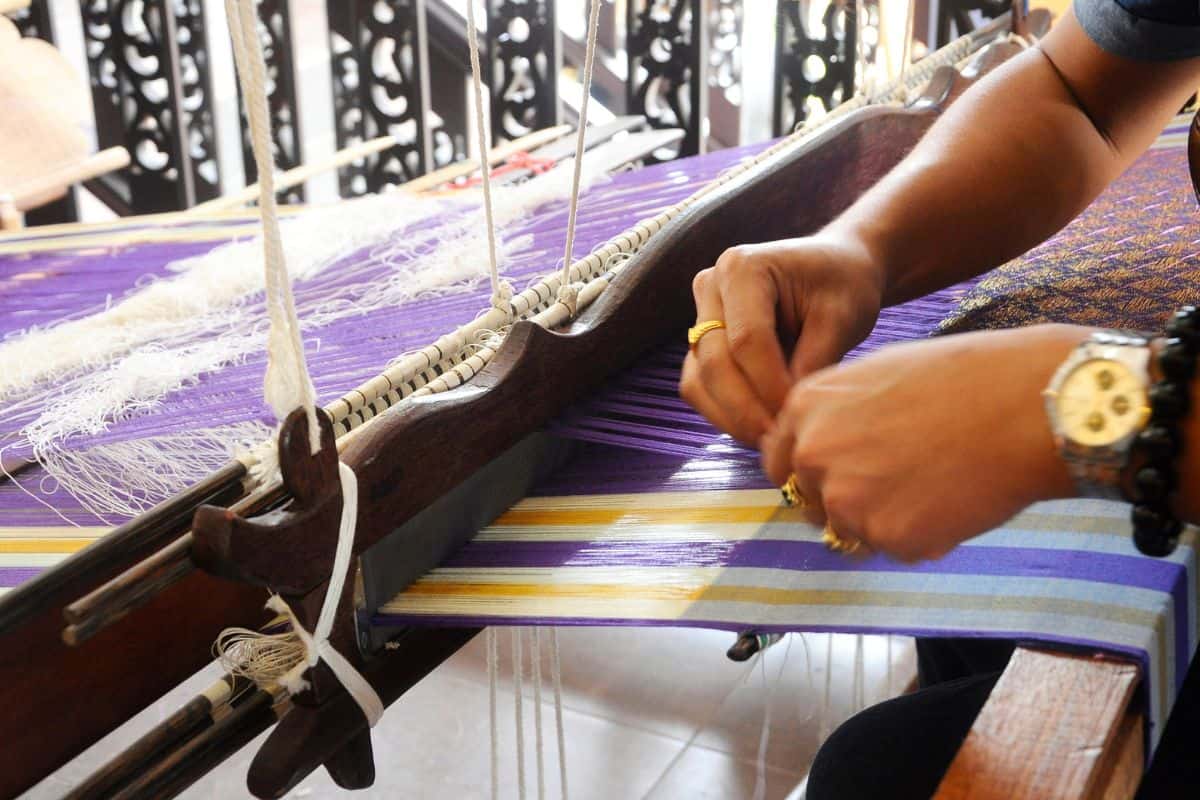
Songket is a traditional fabric from Southeast Asia, particularly Malaysia and Indonesia, known for its intricate, gold or silver threads woven into luxurious silk. The patterns often reflect nature, myths and royal symbolism, making each piece an opulent testament to cultural heritage. This weaving technique is painstakingly labor intensive, requiring expert skill and attention to detail. Wearing or using songket is like wearing a piece of history, sparkling with cultural significance.
Related Post:Old Stitches, New Tricks: 14 Genius Crochet Hacks You Must Try
Finnish Pieni Matto
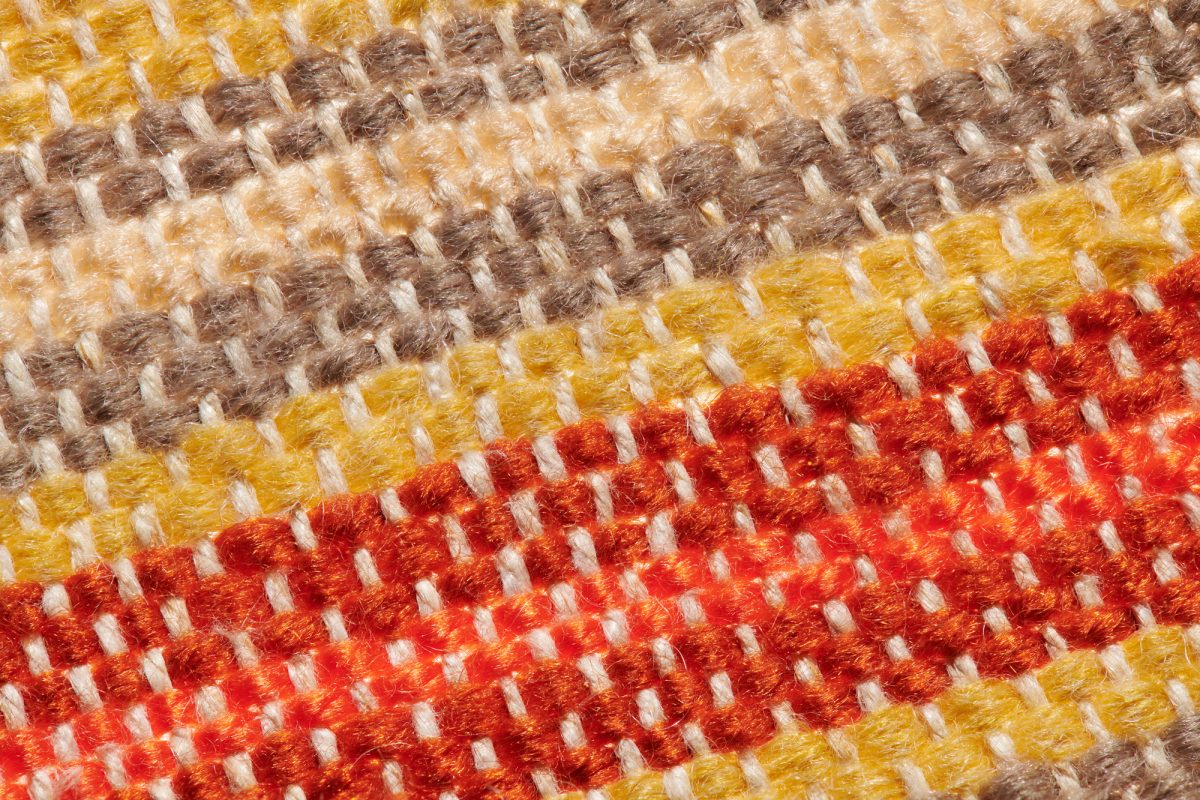
In Finland, small handwoven rugs known as “pieni matto” are an essential part of home life. These mini masterpieces often feature simple, bold patterns in neutral tones, perfect for creating cozy, welcoming spaces. Made from wool and often dyed with natural ingredients, these rugs embody the Finnish connection to nature and craftsmanship. They are not just decorative, they are symbols of comfort and tranquility, making them a lovely addition to any home.
Related Post:15 Hottest Handmade Crafts That Are Selling Like Crazy Online
From the vibrant colors of Kente cloth to the delicate braids of Japanese kumihimo, weaving traditions offer us a way to connect to cultures across the globe. Each technique carries with it not only artistic mastery but a deep history, a unique story and a legacy that continues to influence our lives today. Whether you are creating or admiring, these woven arts remind us of the power of human creativity and the ways we can stitch together a shared future while honoring our rich past. By bringing these traditions into our own lives, we weave the world closer, one thread at a time.
Disclaimer: This list is solely the author’s opinion based on research and publicly available information.
Stitching Through The Decades! How Boomers Are Keeping Handmade Traditions Alive

The art of handmade crafts has been passed down through generations, with each era adding its own flair and techniques. For Baby Boomers, crafting was not just a hobby, but a vital part of their upbringing and it is no surprise that many continue to embrace these traditions. Whether it is knitting, embroidery or quilting, Boomers have kept the spirit of handmade artistry alive and thriving well into the modern era. These seasoned creators are not only preserving these age old skills but also teaching younger generations the value of craftsmanship, patience and creativity.
Read it here: Stitching Through The Decades! How Boomers Are Keeping Handmade Traditions Alive
Can You Really Tell the Difference Between Hand-Stitched vs. Machine-Made?

When it comes to fine tailoring, one of the most common debates is whether you can truly tell the difference between hand stitched garments and those made by machine. Hand stitching, often seen as a mark of craftsmanship, promises a unique quality, but does it live up to the hype? On the other hand, machine made clothing is often quicker, more affordable and in many cases, just as durable. So, can you really notice the difference when you look at a hand stitched garment compared to one made by a sewing machine?
Read it here: Can You Really Tell the Difference Between Hand-Stitched vs. Machine-Made?
Sculpt It! Paint It! Stitch It! The Wildest World Arts Day Challenges On TikTok

World Arts Day has officially taken over TikTok and it is not quiet or subtle. From clay spattered aprons to glowing embroidery hoops, creators everywhere are going wild with viral challenges inspired by traditional techniques and cross-cultural creativity. These trends are not just fun; they are turning everyday people into artists and global citizens with every brushstroke and stitch. With millions of views and a flood of hashtags, these challenges are giving old crafts a bold, Gen Z twist and we’re here for it.
Read it here:Sculpt It! Paint It! Stitch It! The Wildest World Arts Day Challenges On TikTok
You’ll love these related posts:
- 12 Hand-Stitching Techniques That Will Make You a Sewing Pro
- 24 Hours! One Needle! No Excuses! The Ultimate DIY Fashion Challenge
- Your First Stitch to Your First Outfit: Sewing for Absolute Beginners
- 12 Genius Ways to Elevate Your Craft Without Spending a Fortune
- Can You Really Tell the Difference Between Hand-Stitched vs. Machine-Made?
