
Why Textile Dyeing Is A Fun Art To Try At Home
Textile dyeing offers a creative way to transform plain fabric into stunning, colorful works of art. Whether you are sprucing up an old shirt, creating one of a kind scarves or simply experimenting with patterns, dyeing allows you to personalize your wardrobe and home décor in a way that feels deeply satisfying. The best part is knowing that you do not need a studio or fancy equipment to get started. With some basic supplies and a little imagination, you can turn any textile into a masterpiece right in your own home.
Explore the Magic of Natural Dyes
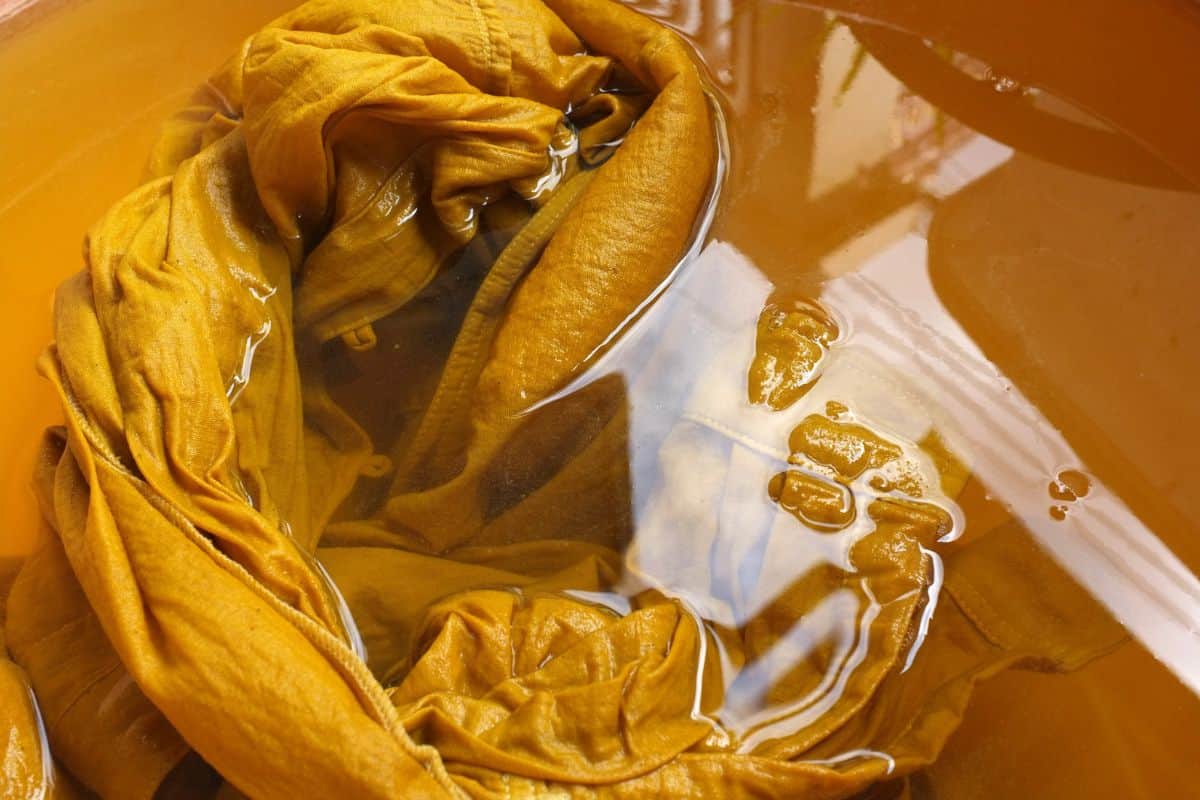
Using natural ingredients like berries, tea or turmeric can create beautiful, earthy colors on your fabric. The process is gentle and organic, offering a connection to the raw beauty of nature. The vibrant hues that emerge from these dyes can feel deeply grounded, grounding you as you experiment with their subtle variations. As you work with natural dyes, you will also gain a deep appreciation for the artistry and science behind this age old technique.
Try the Timeless Art of Shibori
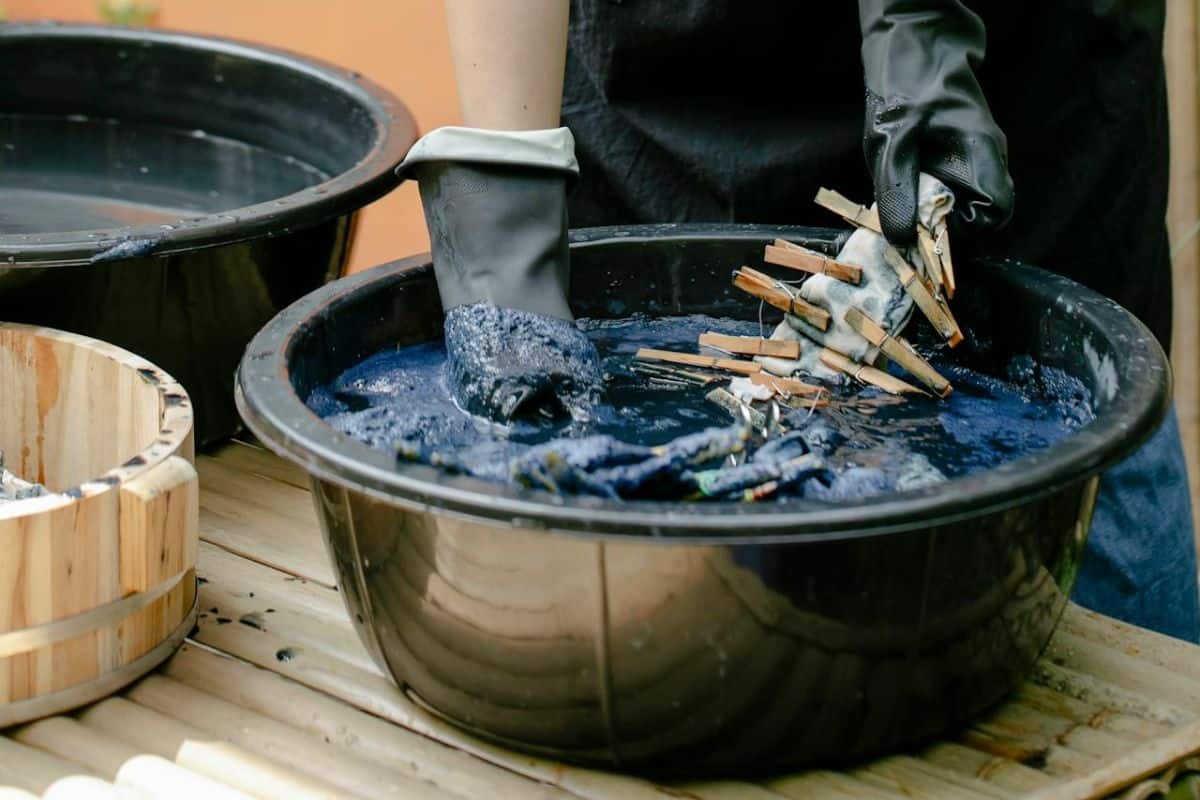
Shibori is a Japanese resist dyeing technique that involves folding, twisting or binding fabric before dyeing it. This method creates intricate, beautiful patterns that range from geometric shapes to more fluid, organic designs. With just a few simple knots or folds, your fabric transforms into a stunning, one of a kind piece. Shibori’s unpredictability is part of its charm, turning every project into a delightful surprise.
Dip-Dyeing for Bold and Beautiful Results
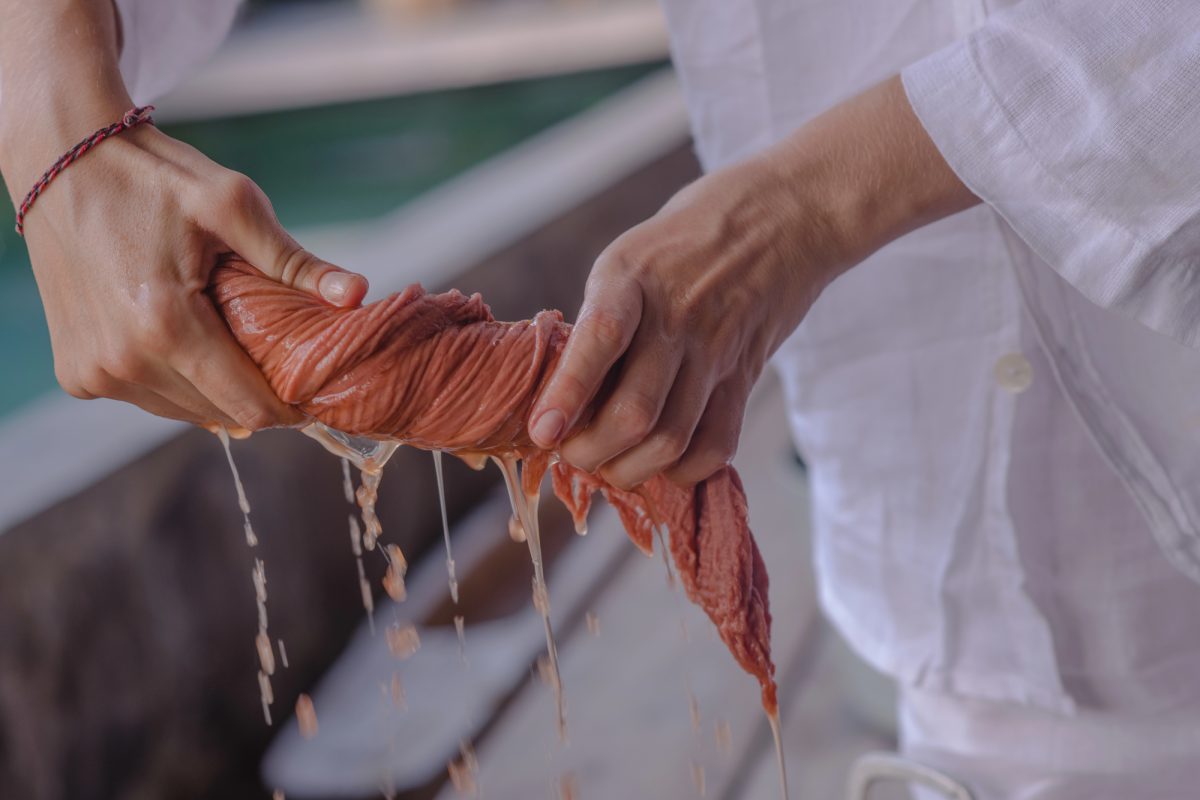
Dip-dyeing is an easy technique where fabric is dipped into a dye bath, often creating a gradient effect from light to dark. This technique can be done with a single color for a soft ombre look or with multiple colors for a vibrant, rainbow effect. Dip-dyeing offers instant results and is perfect for beginners, as it requires minimal tools and space. It is a satisfying way to experiment with color, as the fabric absorbs the dye in its own unique way, creating beautiful variations across the surface.
The Art of Tie-Dye
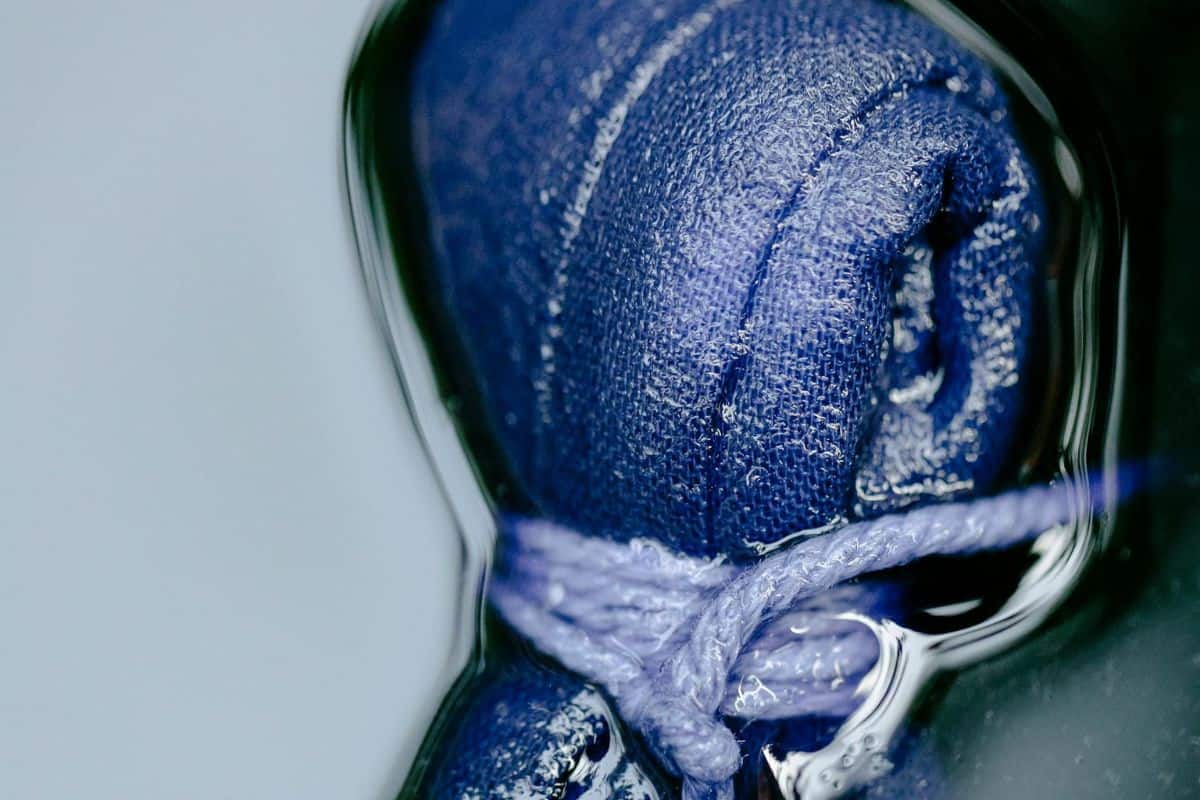
Tie-dye is the quintessential fun textile dyeing method that became a hallmark of creativity and self expression. By tying the fabric in different ways before immersing it in dye, you create vibrant, swirling patterns that are both bold and playful. While it is often associated with psychedelic designs, tie-dye offers endless possibilities for customization, from pastels to neon hues. Whether you are making custom shirts, pillowcases or scarves, tie-dyeing allows you to create striking patterns that reflect your personal style.
Eco-Friendly Dyeing with Plant-Based Materials
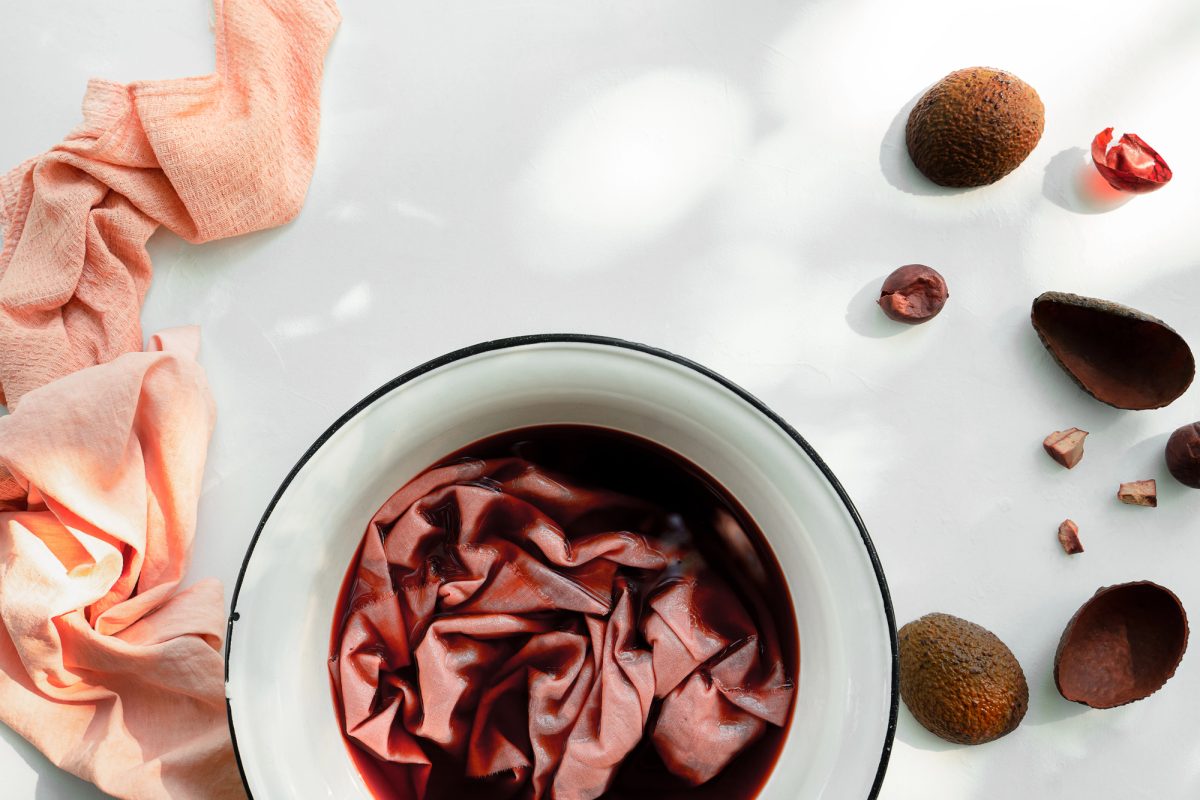
If sustainability is important to you, plant based dyes are the perfect solution. These dyes come from roots, leaves and flowers, offering a natural way to add color to fabric. Not only are plant dyes environmentally friendly, they also produce beautiful, soft tones that cannot quite be achieved with synthetic dyes. Working with these materials brings an added layer of mindfulness to the craft, as you are connecting with the earth while creating something beautiful and unique.
Learn the Art of Batik
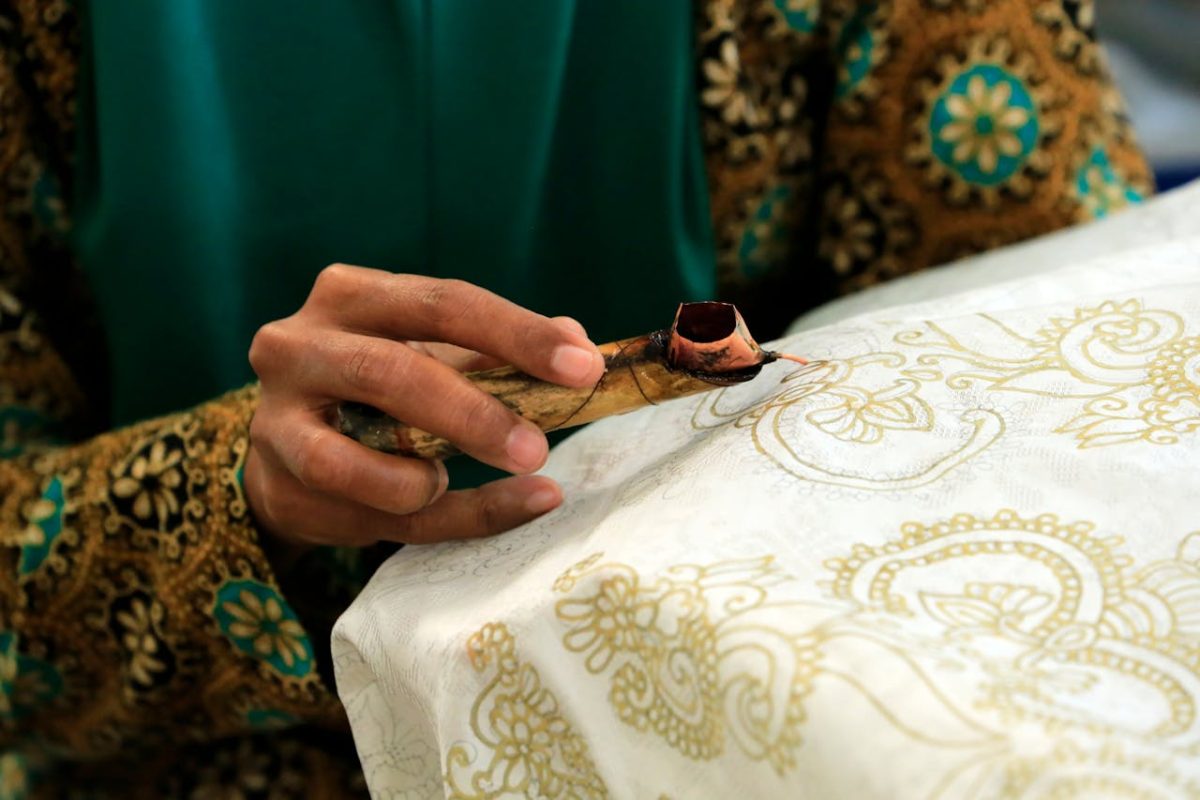
Batik is an Indonesian technique that combines wax and dyeing to create intricate patterns on fabric. First, wax is applied to the fabric to create a resist, then the fabric is dyed. The waxed areas remain untouched by the dye, resulting in crisp, contrasting designs. Batik is a bit more involved than other methods but offers rich, detailed patterns that feel luxurious. Whether you are making a scarf, tablecloth or wall hanging, batik provides a striking visual impact with each finished piece.
Related Post: 12 CraftTok Stars Who Turned Glue Guns Into Creative Goldmines!
Use Fabric Paints for a More Controlled Approach
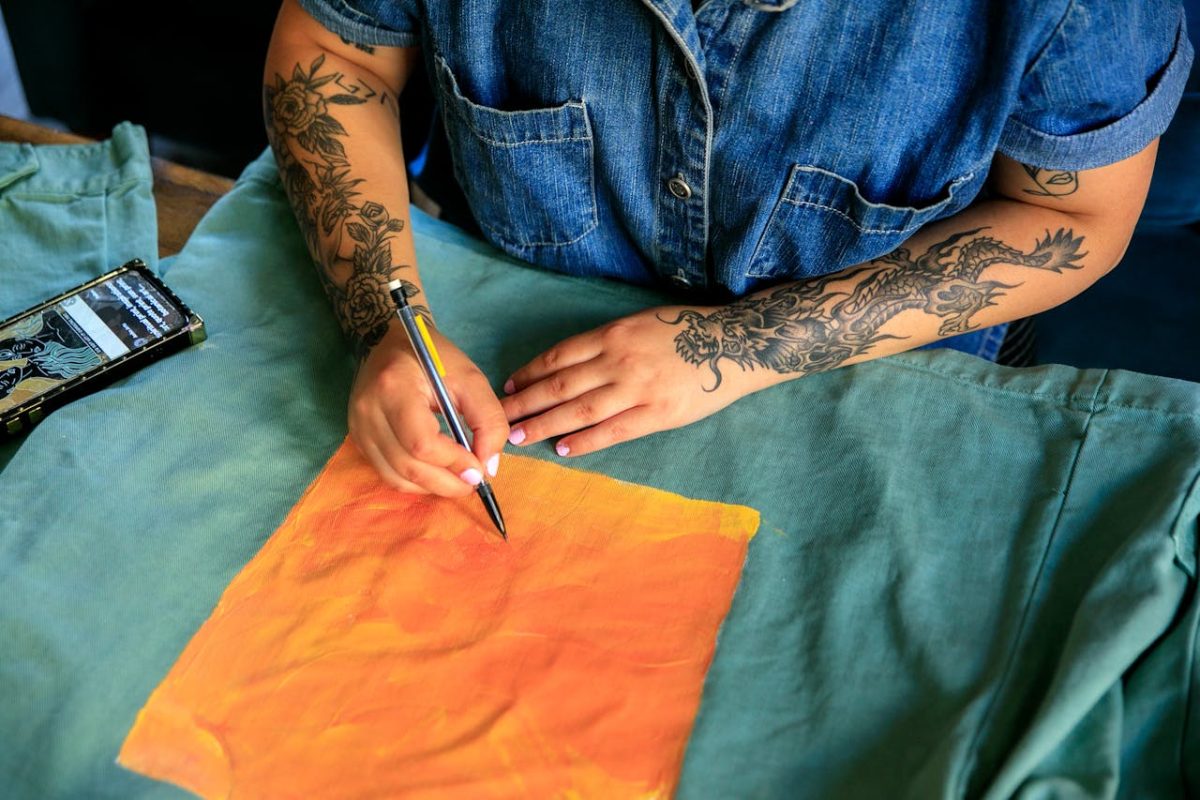
If you want more control over your designs, fabric paints can be an excellent alternative to traditional dyeing methods. Fabric paints allow you to create precise patterns and images without the mess of dyeing. You can paint directly onto the fabric, add texture or even layer colors for a multi-dimensional effect. It is a great option for creating detailed designs like logos, illustrations or personal messages on fabric.
Related Post: 13 Designers Taking Grandma’s Stunning Craft Straight To The Catwalk!
Create Custom Designs with Stenciling
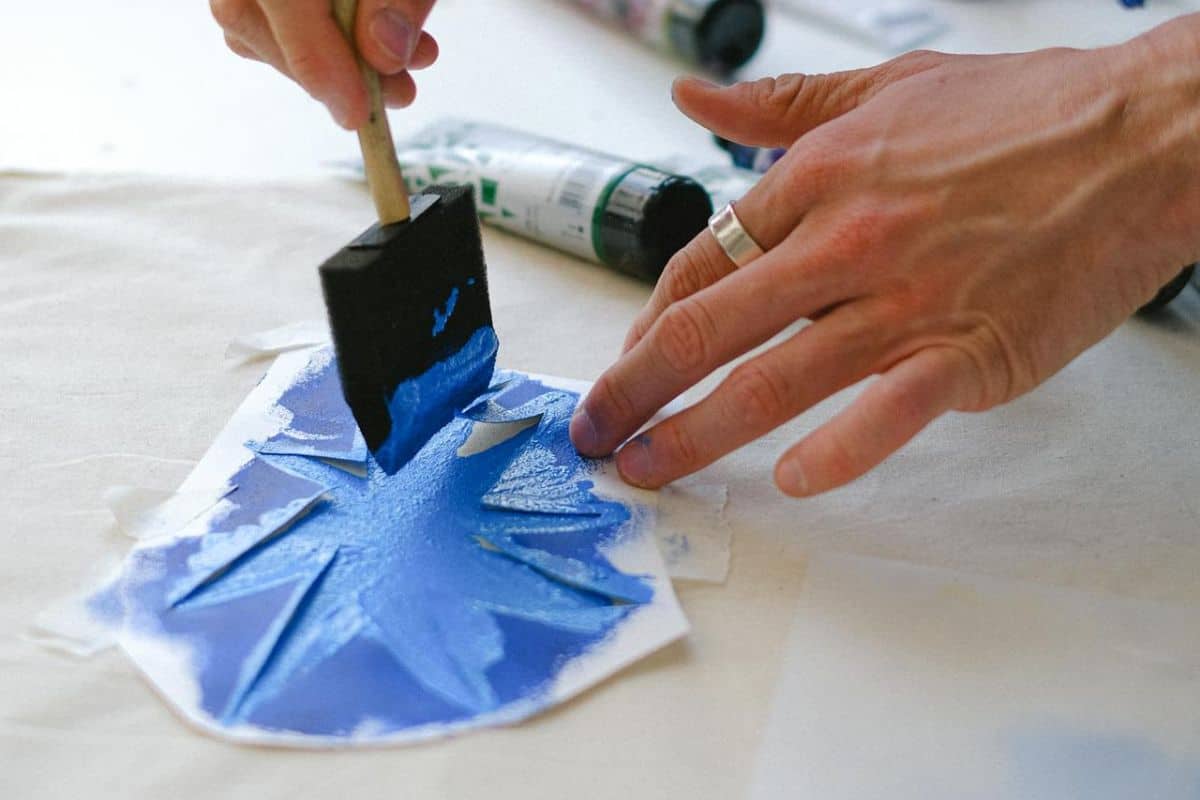
Stenciling is another easy way to incorporate dyeing techniques into your fabric projects. By placing a stencil on the fabric and applying dye, you can create sharp, clean designs without any skillful brushwork. You can experiment with different stencils, everything from geometric shapes to nature-inspired images, to create unique patterns. It is perfect for beginners looking to add intricate details without needing advanced skills.
Related Post: Unlock the Secrets Of Edwardian Lace Making and Master The Lost Craftsmanship Today!
Experiment with Color-Blocking Techniques
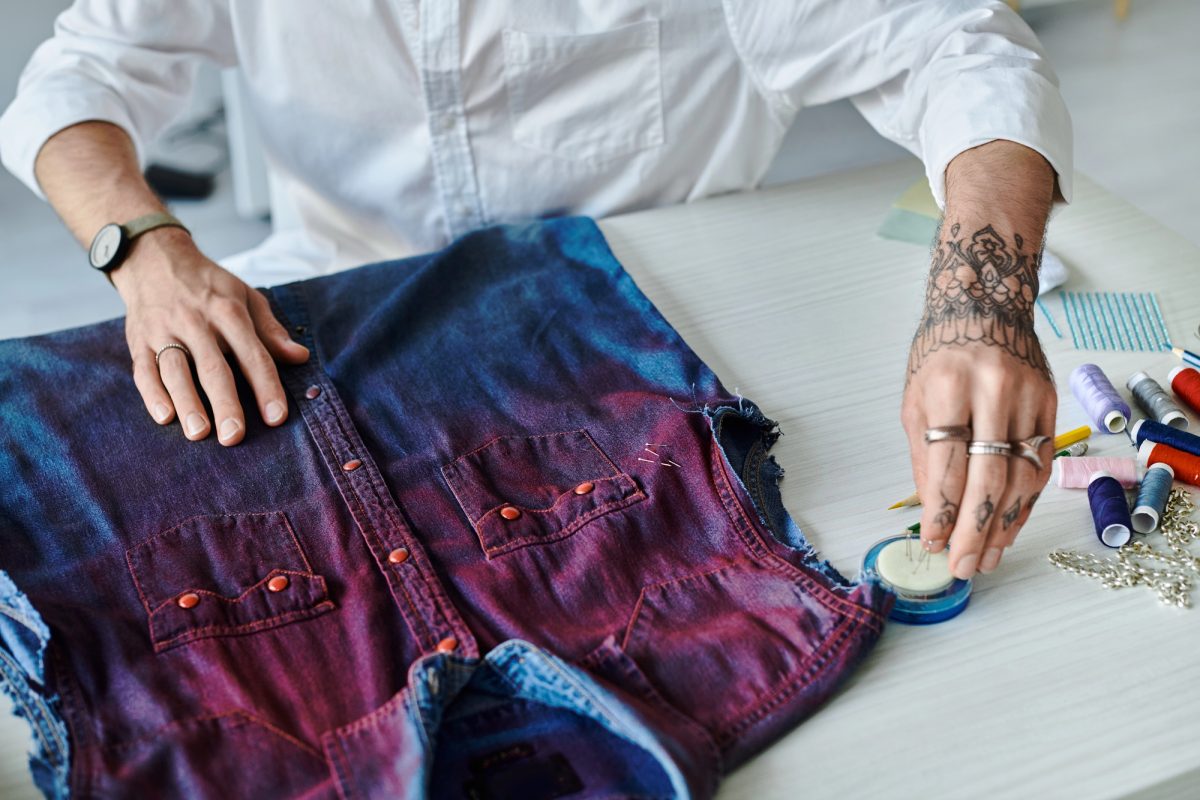
Color blocking is a modern trend that pairs contrasting colors together in bold, defined sections. This technique can be applied in textile dyeing by dividing your fabric into distinct areas and dyeing them separately. Whether you choose soft pastels or bold, primary colors, color blocking offers a stylish way to create statement pieces. This technique is great for those who want to add a contemporary flair to their wardrobe or home décor.
Related Post: Stitch Please! Go Organic with Your Needle & Thread
Transform Old Clothes into Fresh New Pieces
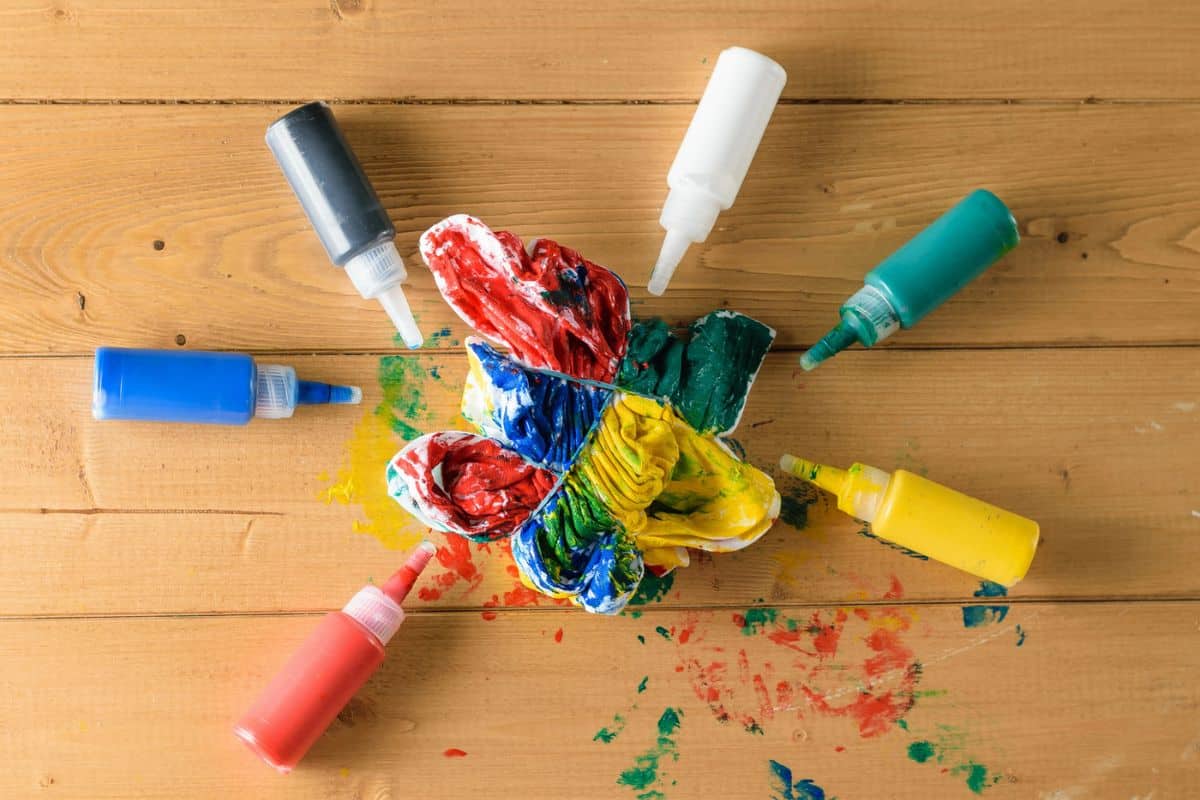
One of the most satisfying aspects of textile dyeing is the ability to breathe new life into old or worn out garments. Stains, faded areas or old patterns can be covered with vibrant dyes that completely transform the item. You can experiment with various techniques to give your clothes a fresh new look, from dip-dyeing old t-shirts to adding intricate shibori patterns to skirts. It is a sustainable, creative way to revamp your wardrobe and give forgotten pieces a second chance.
Related Post: DIY! But Make It You! Personalized Decor That Pops
Dyeing with Indigo for Rich, Timeless Tones
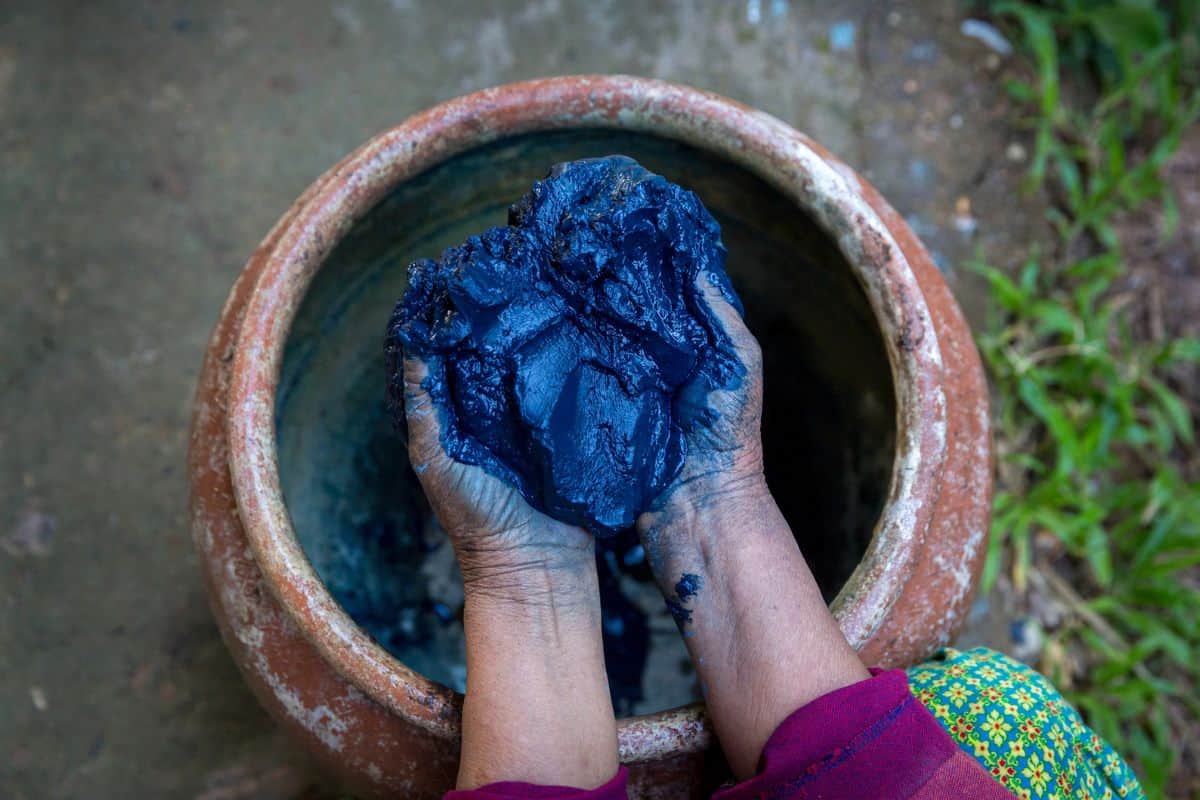
Indigo dyeing has a rich history and produces deep, navy-blue tones that are timeless and elegant. This dye is particularly known for its ability to create stunning variations in tone and texture. The process involves dipping the fabric multiple times to build up the color, which gives the fabric a rich depth. Indigo dyeing works beautifully for jeans, shirts or accessories, creating a sophisticated look that never goes out of style.
Related Post: Pet Portraits Are The New Selfies! Paint Yours!
Experiment with Fabric Dyeing Kits for Beginners
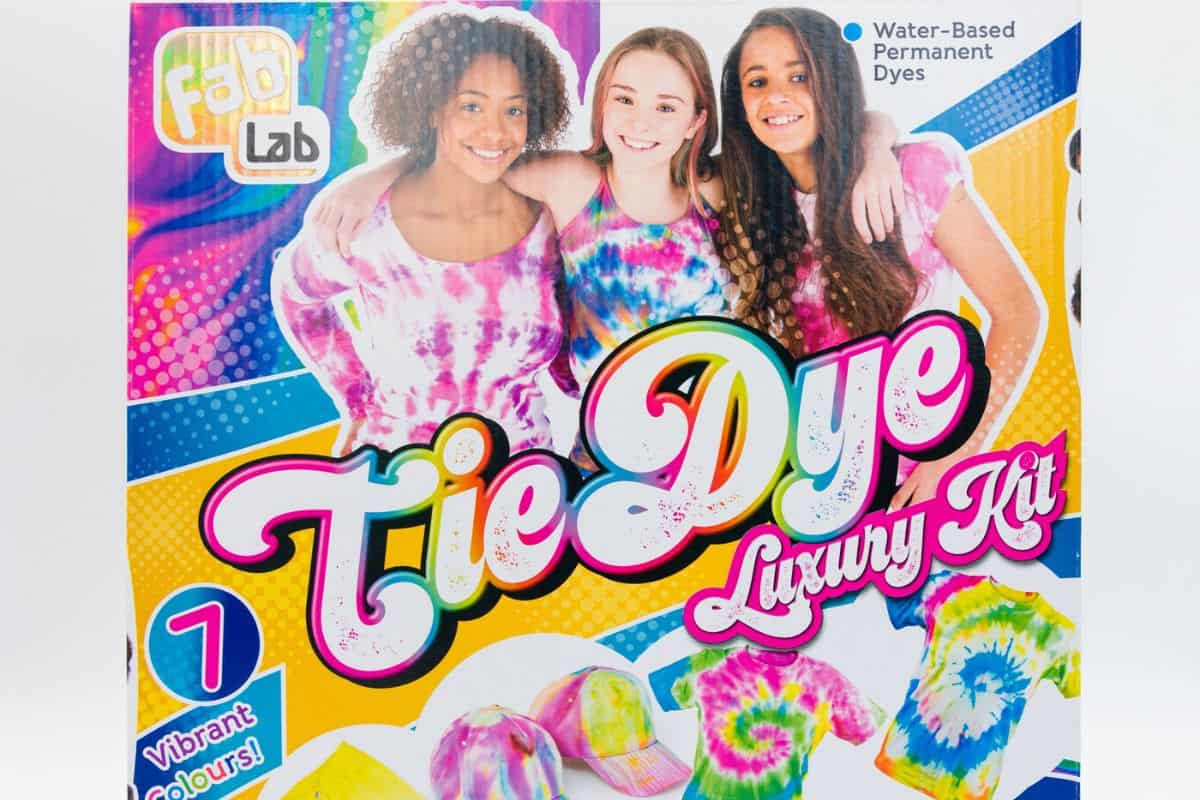
For those new to textile dyeing, fabric dyeing kits are a fantastic way to get started. These kits come with everything you need, including dyes, tools and instructions to help you create beautiful designs. They take the guesswork out of the process and make it easier to jump right in. Many kits even offer multiple colors and techniques, so you can experiment with different styles and find what suits you best.
Related Post: Dye Hard! Nature’s Colors Are In And They’re Gorgeous
Textile dyeing is not only a fun and creative way to personalize your fabric; it is also a deeply satisfying craft that offers endless possibilities for artistic expression. Whether you are a beginner experimenting with tie-dye or a seasoned artist exploring natural dyes, the process is rewarding and can transform simple textiles into vibrant, meaningful works of art. With just a few tools and some imagination, you can explore the endless world of fabric dyeing and create pieces that are uniquely yours.
Disclaimer: This list is solely the author’s opinion based on research and publicly available information.
The Medieval Woman’s Workbasket: Tools, Techniques And Textiles

In the medieval period, a woman’s workbasket was an essential companion, filled with the tools and materials that allowed her to engage in the vital tasks of household management, from creating clothing to crafting textiles for practical and decorative purposes. These baskets were not simply containers but symbolized the intricate, skillful work that women performed in the home. Let us take a deep dive into the tools, techniques and textiles that defined the medieval woman’s workbasket.
Read it here:The Medieval Woman’s Workbasket: Tools, Techniques And Textiles
12 Sewing Techniques That Add Instant Drama, Texture, and Volume

Sewing isn’t just about making clothes, it’s about sculpting fabric into art. The way fabric moves, folds and drapes can completely transform a design, turning something simple into something show stopping. Whether you want to create romantic volume, high fashion drama or eye catching texture, mastering the right sewing techniques can take your projects to the next level. Here are 12 powerful sewing techniques that instantly add drama, texture and volume to your creations.
Read it here:12 Sewing Techniques That Add Instant Drama, Texture, and Volume
12 Texture Tricks That Will Instantly Upgrade Your Knits

Adding texture to your knitting projects is one of the best ways to elevate a design and give it a truly unique flair. Texture can take a basic knit and transform it into something extraordinary, adding depth, dimension and a professional finish to your work. Whether you are knitting garments, accessories or home décor, incorporating the right textures can create striking visual effects that make your projects stand out in a way that’s both sophisticated and eye catching. Ready to step up your knitting game? With the right techniques, you can create stunning texture patterns that will make your pieces look more intricate, visually dynamic and crafted with the precision of an expert. These 12 texture tricks will instantly upgrade your knits and add that extra layer of design sophistication that sets your work apart. Let’s dive into these simple yet effective techniques that will transform your knitting projects into masterpieces!
Read it here: 12 Texture Tricks That Will Instantly Upgrade Your Knits
You’ll love these related posts:
