
What Medieval Makers Used Before Modern Yarn
Long before the colorful skeins of modern yarn filled our craft baskets, medieval makers were already creating beautiful, practical pieces with materials drawn straight from nature. These artisans did not rely on synthetic fibers or commercial dye lots, instead, they mastered the art of transforming sheep’s wool, flax and even plant fibers into threads strong enough to stitch stories into time. Their creativity was woven with patience, purpose and a deep understanding of the world around them. Here is a look into the ancient hands that spun magic with wool, linen and thread, before yarn became what we know today.
Wool Was Their Everyday Wonder
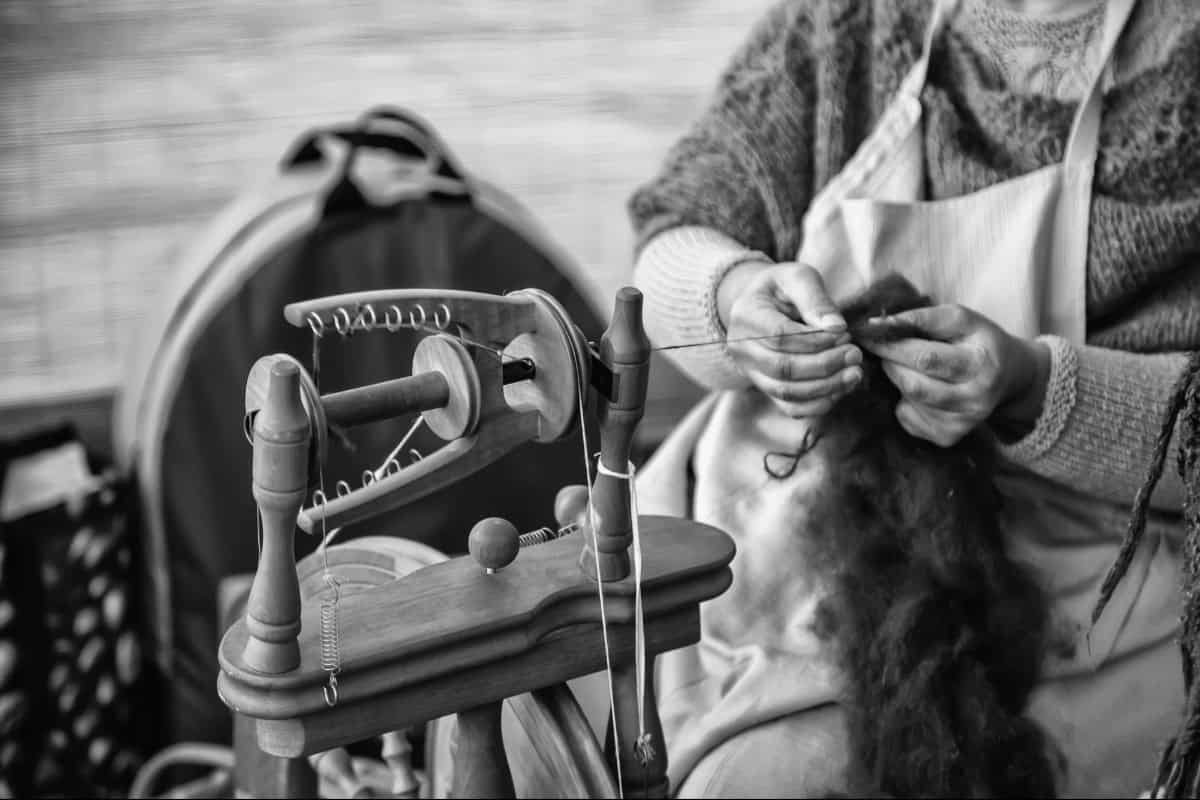
Medieval makers leaned heavily on wool as their go to material, especially in colder regions where warmth was vital. They sheared sheep by hand, washed the fleece and spun it with simple drop spindles or early spinning wheels to create rich, sturdy threads. Wool was not only accessible but also versatile, it could be dyed with natural plants, fulled for thickness or left raw for rustic charm. This everyday wonder became the backbone of medieval textiles, from cloaks and tunics to embroidered tapestries and practical household items.
Linen Was a Summer Essential

Made from the flax plant, linen gave medieval artisans a lighter, cooler option perfect for warm climates and undergarments. Extracting linen was a labor of love, it began with harvesting flax, retting the stalks in water and then carefully beating and combing the fibers into fine, workable strands. Once spun, linen thread was used for everything from sewing seams to creating crisp tablecloths and fine embroidery. Though it lacked the softness of wool, it offered strength and elegance that made it a prized fiber in noble households.
Thread Was Twisted with Intention
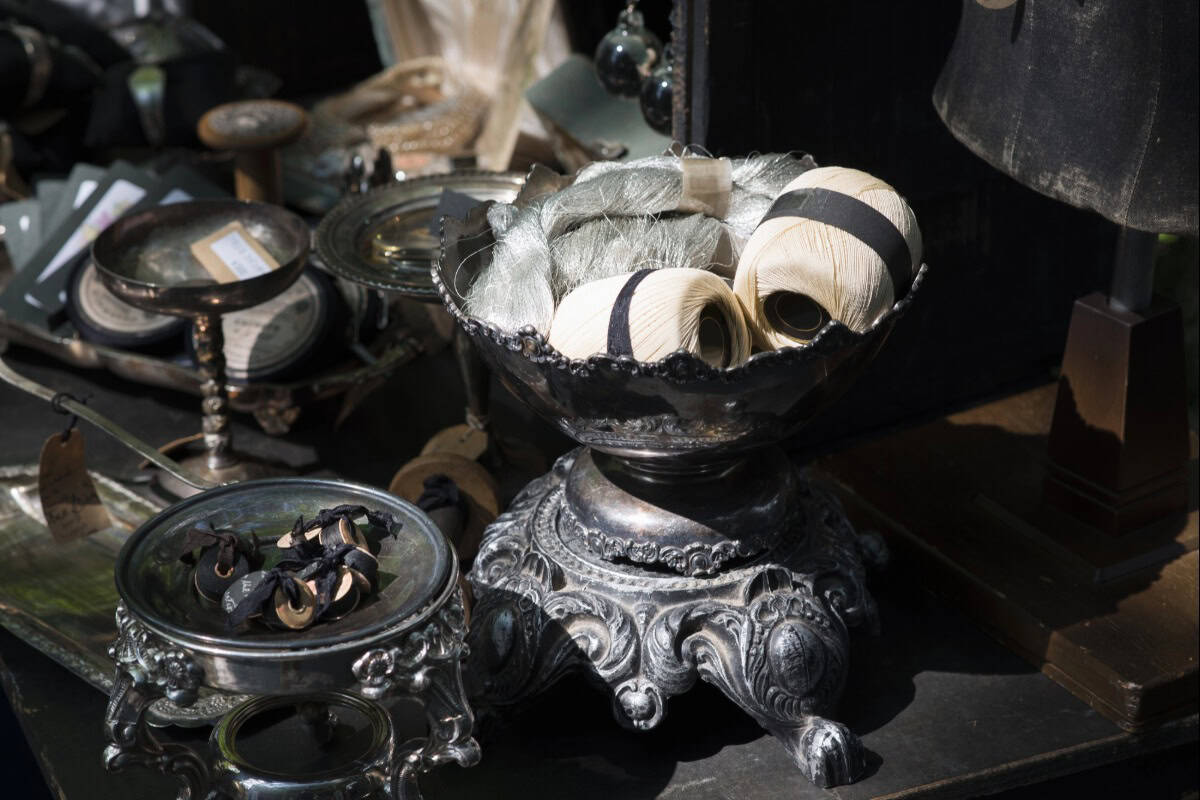
Unlike our modern threads sold in tidy spools, medieval thread was handmade and treated like treasure. It was often twisted from leftover wool, flax or even silk if one had access to it and was sometimes waxed for smoother stitching. Every strand was precious, so thread was used sparingly and thoughtfully, often doubled for durability in high stress areas. Medieval artisans knew the value of every twist and coil and their careful use of thread reflects their respect for the craft and its materials.
Natural Dyes Made Every Piece Unique
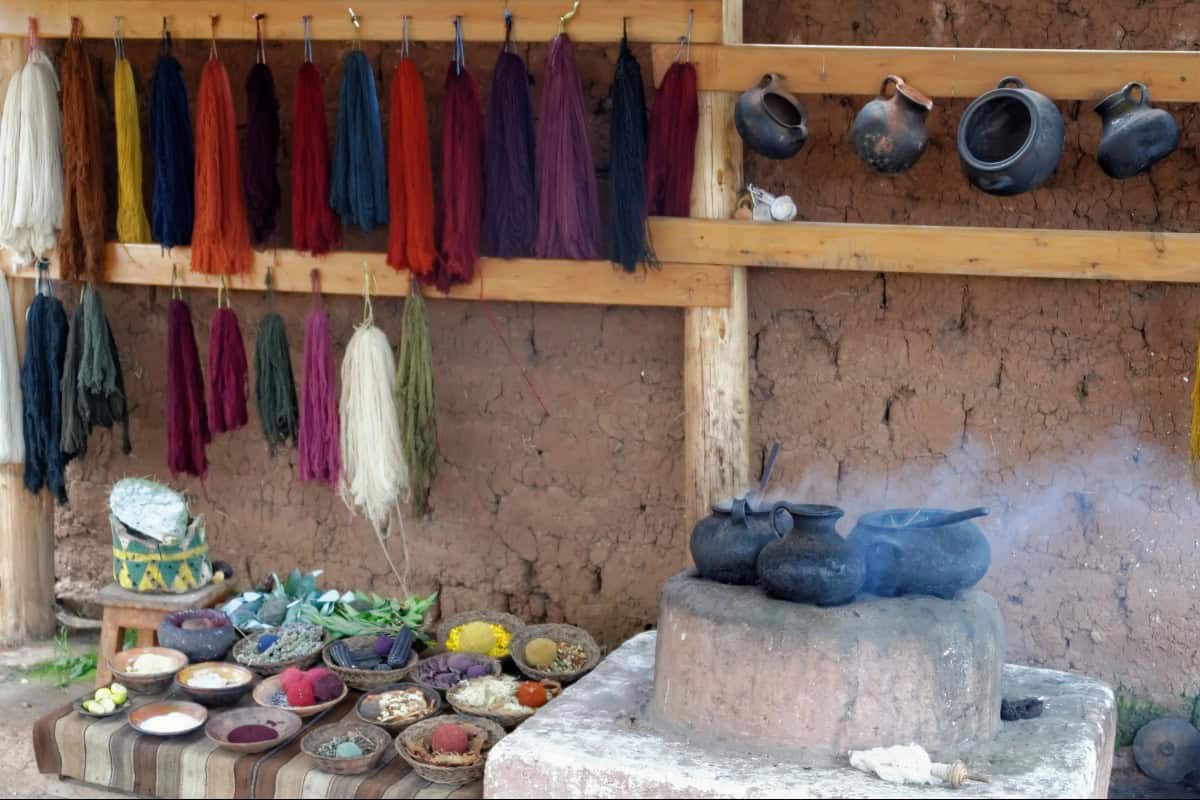
Colors in medieval yarns and threads came straight from nature, madder root for reds, woad for blues and onion skins or saffron for sunny golds. No two dye lots were ever the same, making every finished piece a true one of a kind. Artisans would often experiment with layering dyes or mixing mordants to achieve rare and vibrant hues. The result? A colorful medieval world where garments and tapestries were filled with rich tones born from the land itself.
Needlework Was More Than Decoration
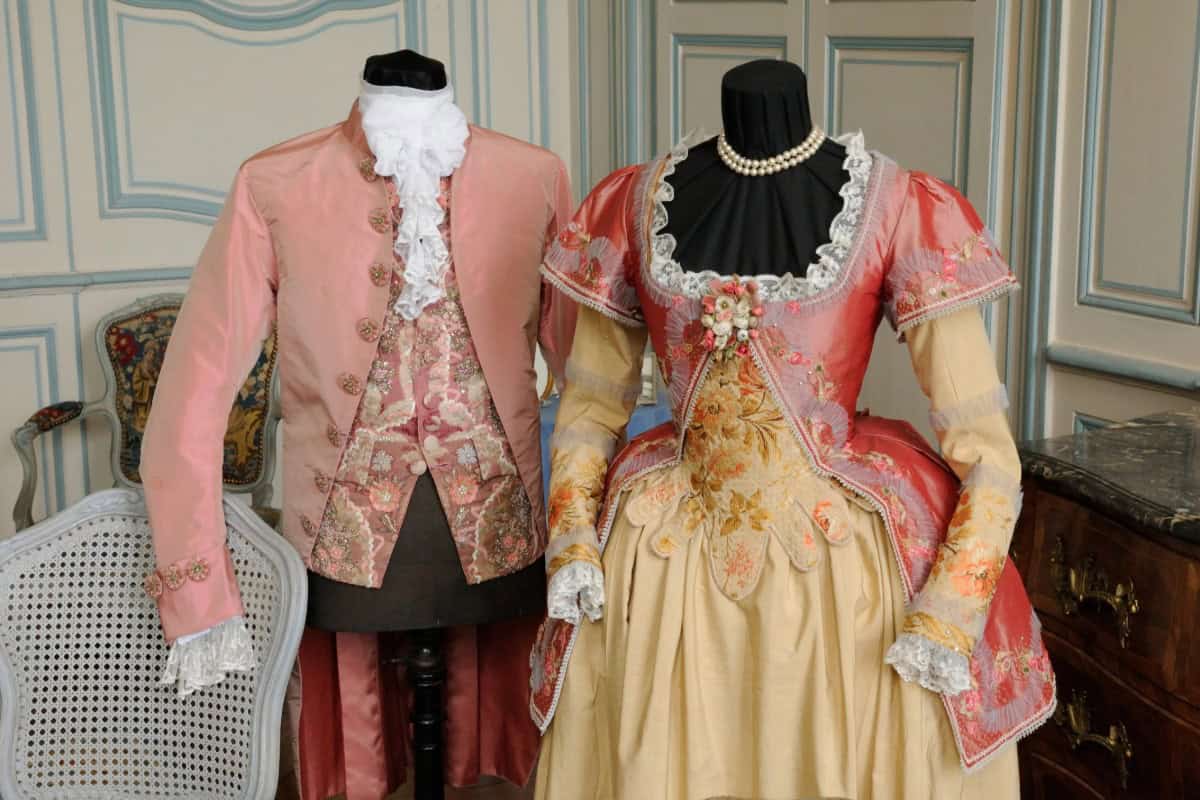
Embroidery and stitching were not just for beauty, they told stories, marked territory and symbolized power. Monks embroidered sacred texts, noblewomen adorned gowns with family crests and common folk mended garments with care and pride. The threads they used held deeper meaning, often carrying prayers, heritage or protection in every stitch. In medieval hands, even the simplest threadwork was rich with intention and storytelling.
Felting Was a No-Yarn Shortcut
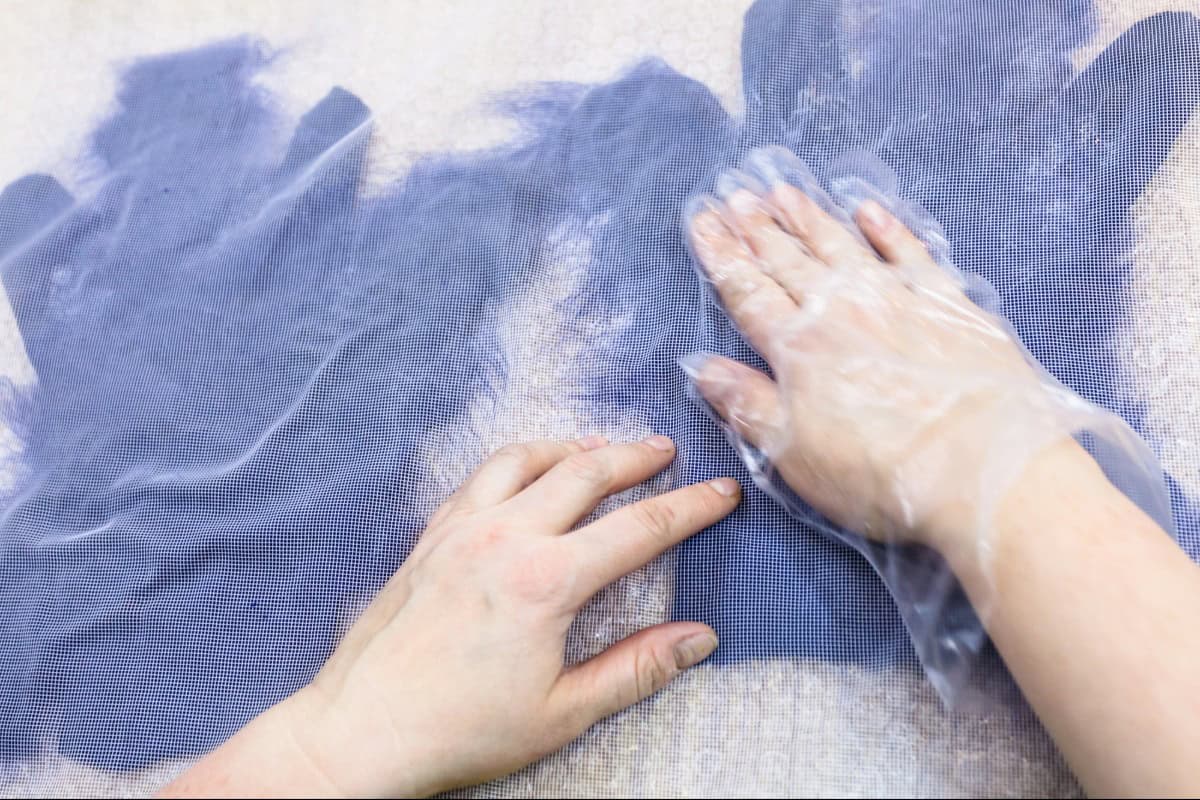
Before spinning yarn became widespread, some makers used the art of felting, binding raw wool fibers together using heat, moisture and pressure. This method created thick, durable fabric perfect for cloaks, shoes and even armor padding. Felting required no spinning or weaving, just skilled hands and a deep understanding of the material’s natural behavior. It was proof that even without yarn, makers could still create durable, functional art from raw wool.
Related Post: 14 Genius Sewing Hacks for Seam Perfection Every Time
Silk Was a Rare Luxury
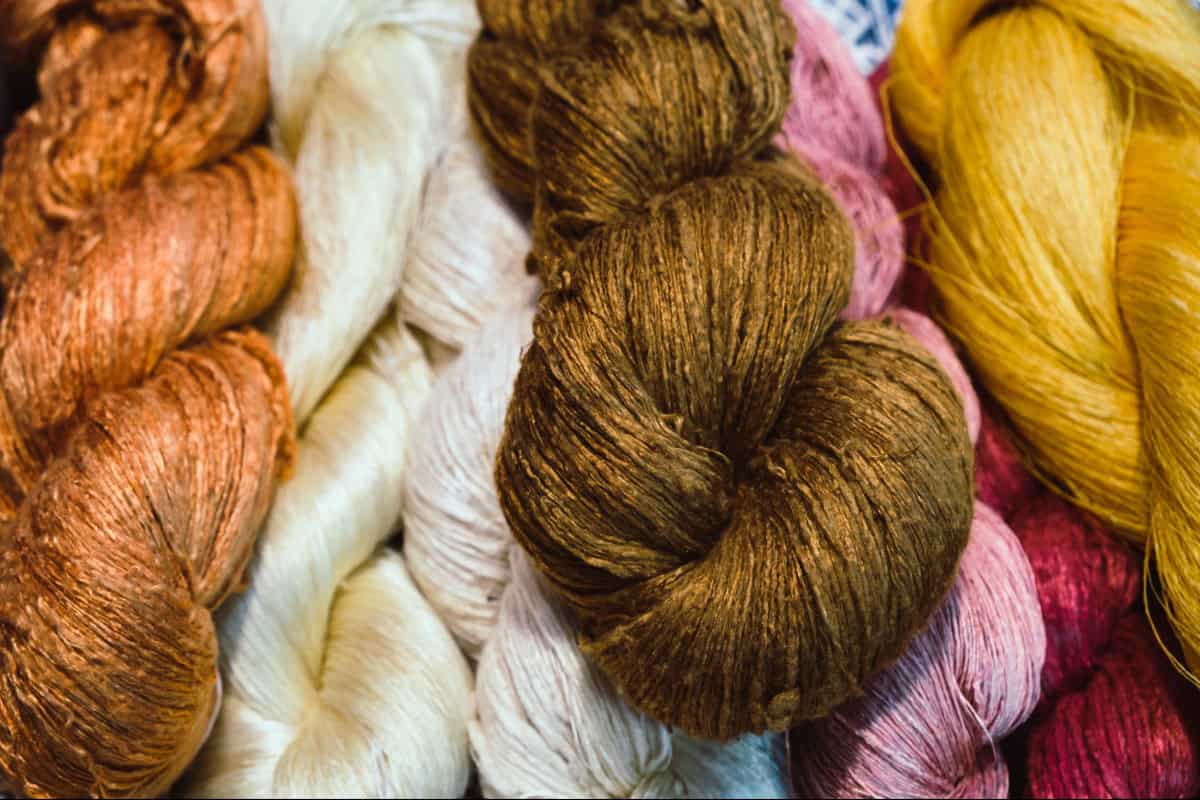
Silk threads were rare, imported and often reserved for royalty, clergy or high ranking nobility. These threads shimmered with light and were used to add brilliance and delicacy to embroidery or illuminated manuscripts. Medieval artisans handled silk with reverence, sometimes blending it with other fibers to make it last longer. Every strand spoke of status and sophistication and the presence of silk transformed even the simplest design into something regal.
Related Post: 15 Old-School Sewing Room Hacks That Will Change Your Life
Spindles Were the Spinners’ Tools of Power
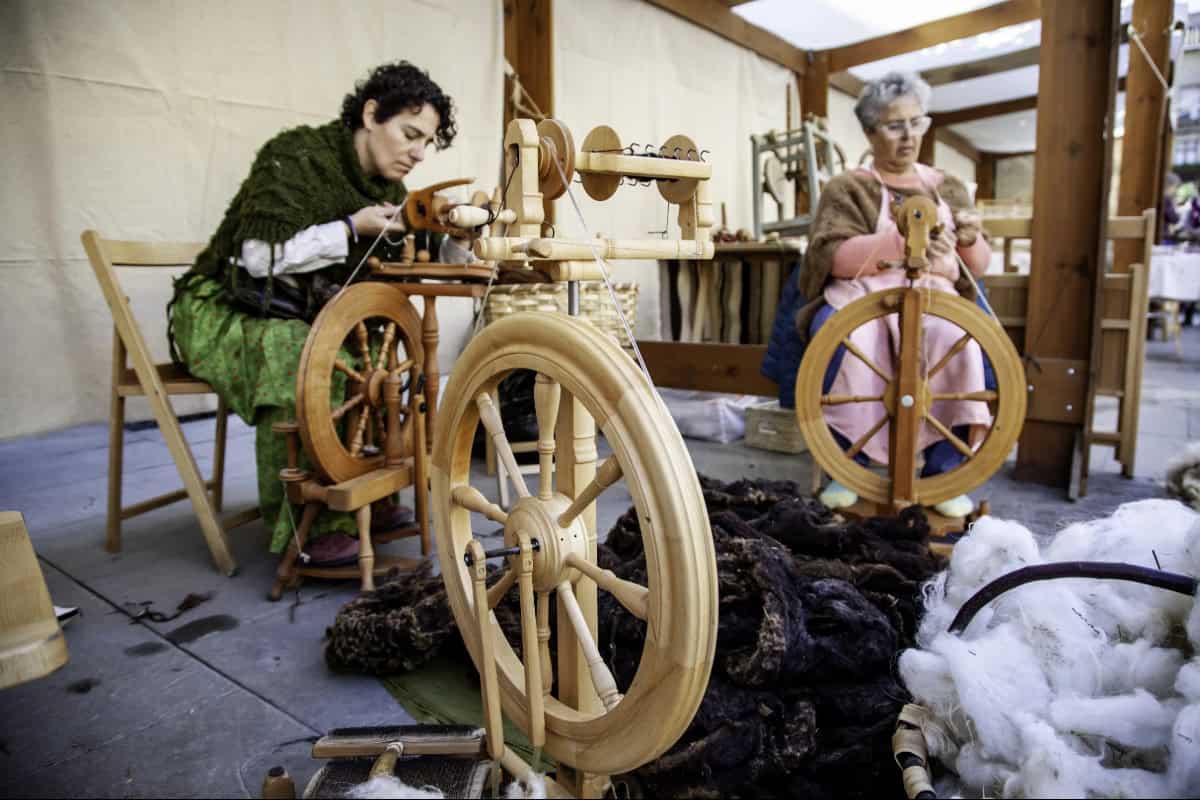
Without machines, medieval yarn was spun using drop spindles, small, elegant tools that demanded both skill and rhythm. Spinning was often a communal activity, with women gathering to twist wool into thread while sharing stories or passing down techniques. The spindle became more than a tool; it was a symbol of womanhood, heritage and daily life. Every spin of the spindle connected past to present in quiet, powerful motions.
Related Post: You Will Never Look at Old T-Shirts the Same Way After These 15 Hacks
Weaving Was Where Threads Found Their Purpose
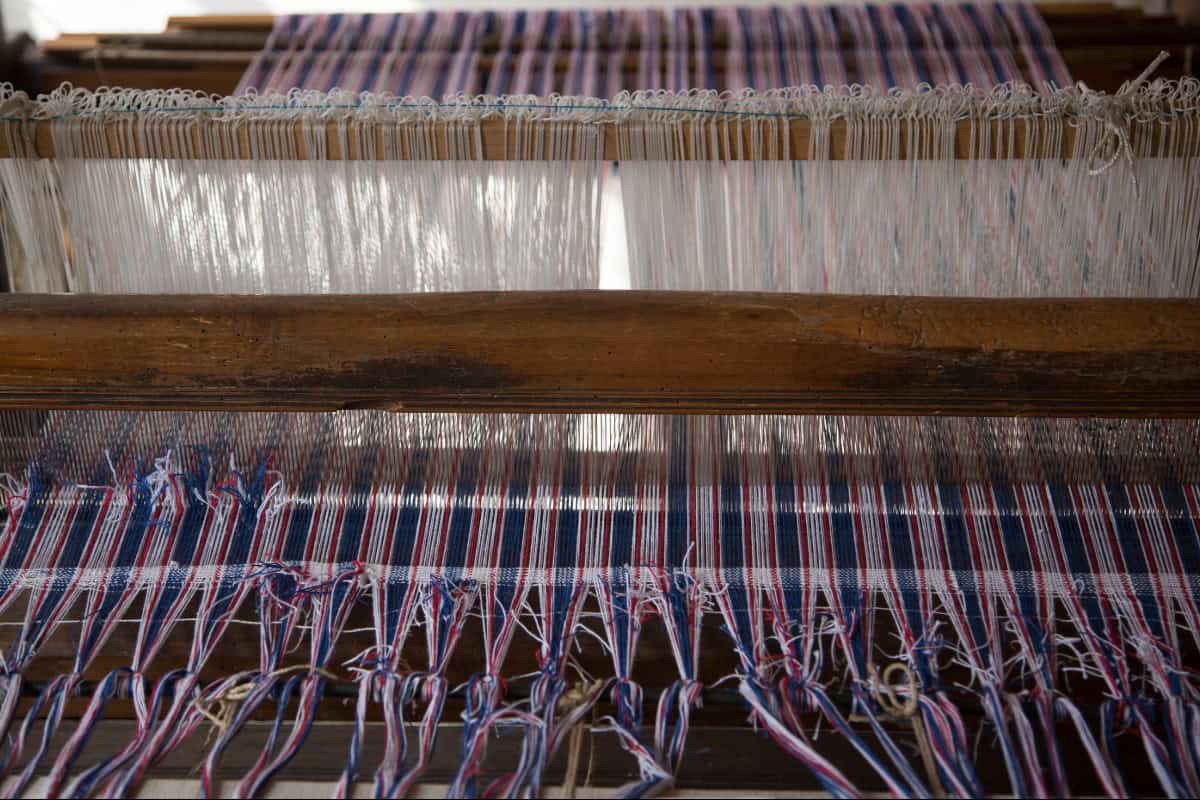
After fibers were spun and dyed, they met on the loom to become cloth. Medieval weavers used simple wooden looms, often building them at home or within guild workshops. Weaving turned loose threads into something whole, something functional, protective and beautiful. Whether for rugs, cloaks or altar cloths, the act of weaving represented transformation and was a celebration of labor and design.
Related Post: 15 DIY Embellishment Hacks That Will Instantly Elevate Your Projects
Respect for the Craft Was Everything
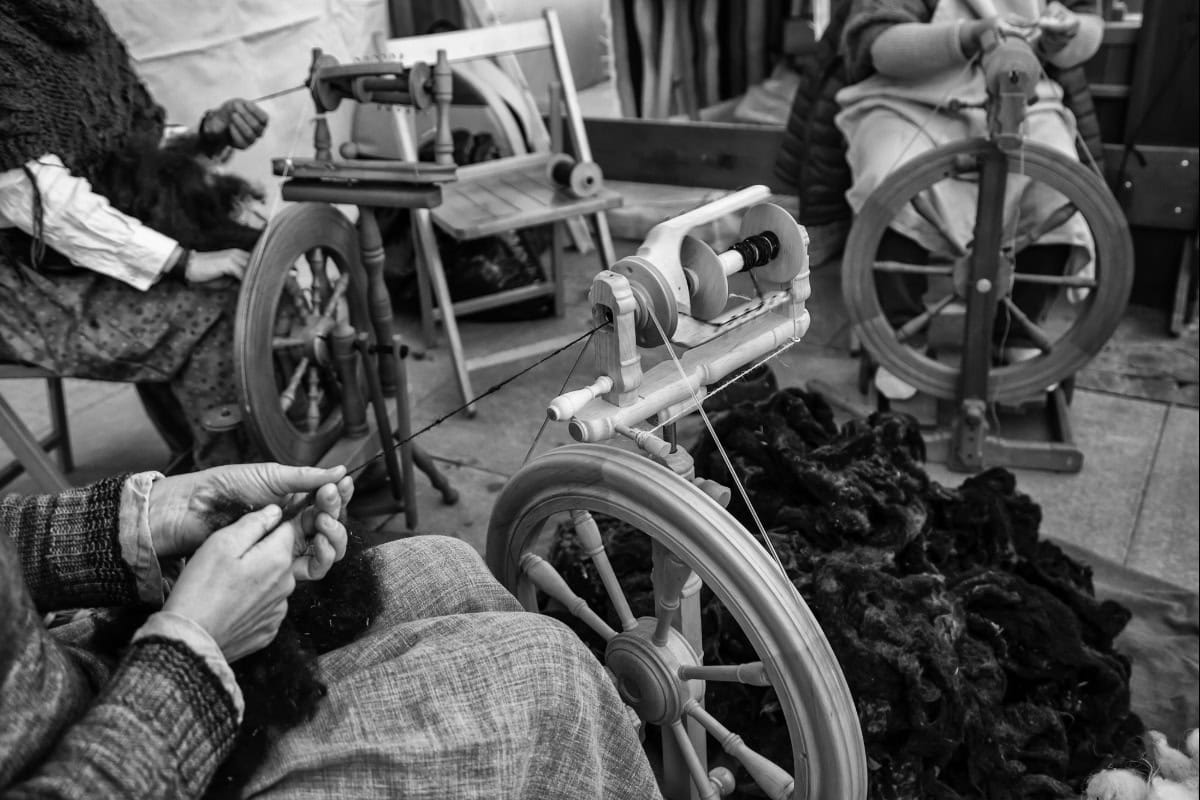
In medieval times, crafting was more than a hobby, it was a livelihood, a ritual and a legacy. Makers treated every piece of wool, every twist of thread and every linen strand with respect and care. They passed their knowledge through generations, preserving traditions that still echo in today’s DIY world. Before yarn came in neat packages, medieval makers had already built a rich world of fiber artistry, with nature as their source and skill as their guide.
Related Post: Why Multicolor Knitting is Easier Than You Think
Animal Fibers Were Honored, Not Wasted
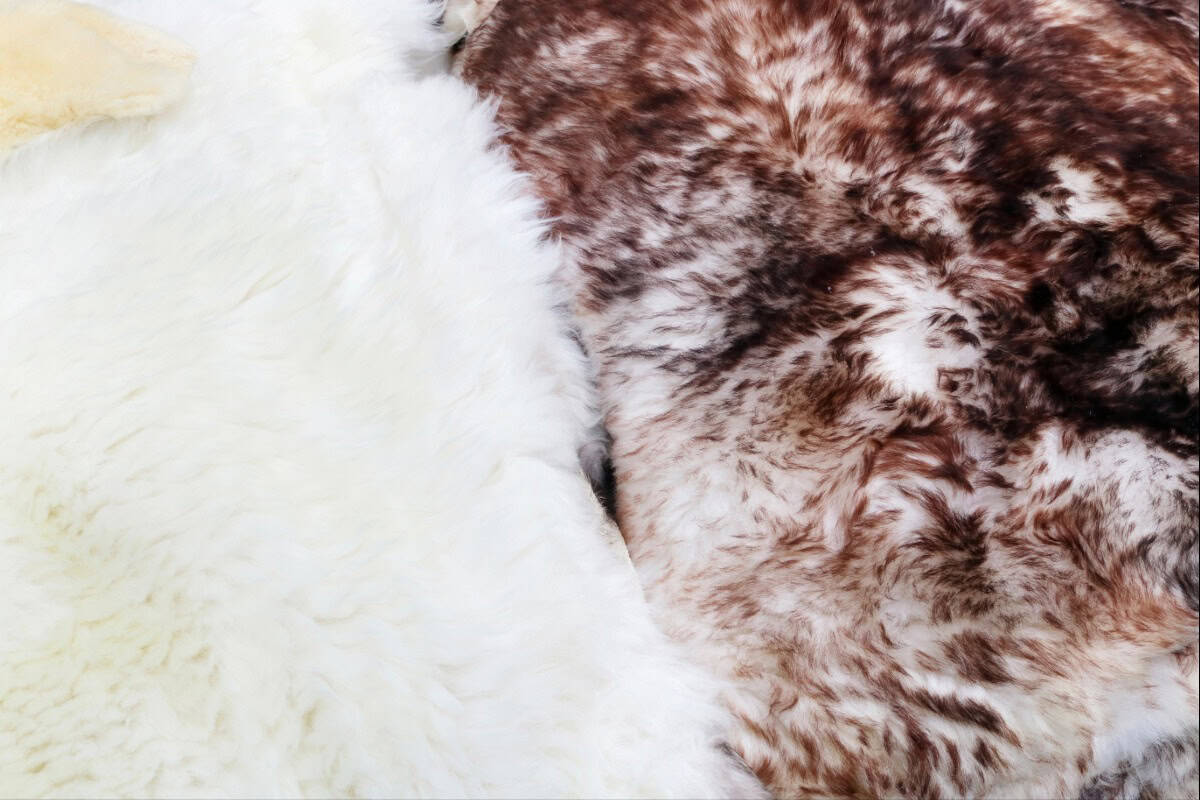
Beyond sheep, medieval makers also used fibers from goats, rabbits and even dogs to create warm, soft threads for luxury and survival. Cashmere like fibers from goats or angora from rabbits were spun carefully, often reserved for smaller garments or trimming delicate items. These fibers were collected with respect, combed during shedding seasons or taken after natural loss, ensuring the animal was never harmed unnecessarily. Every strand told a story of coexistence, where nature provided and the artisan gave it new life with reverence.
Related Post: 12 No-Sew Fabric Projects That Look Expensive But Aren’t
Craft Guilds Preserved Excellence
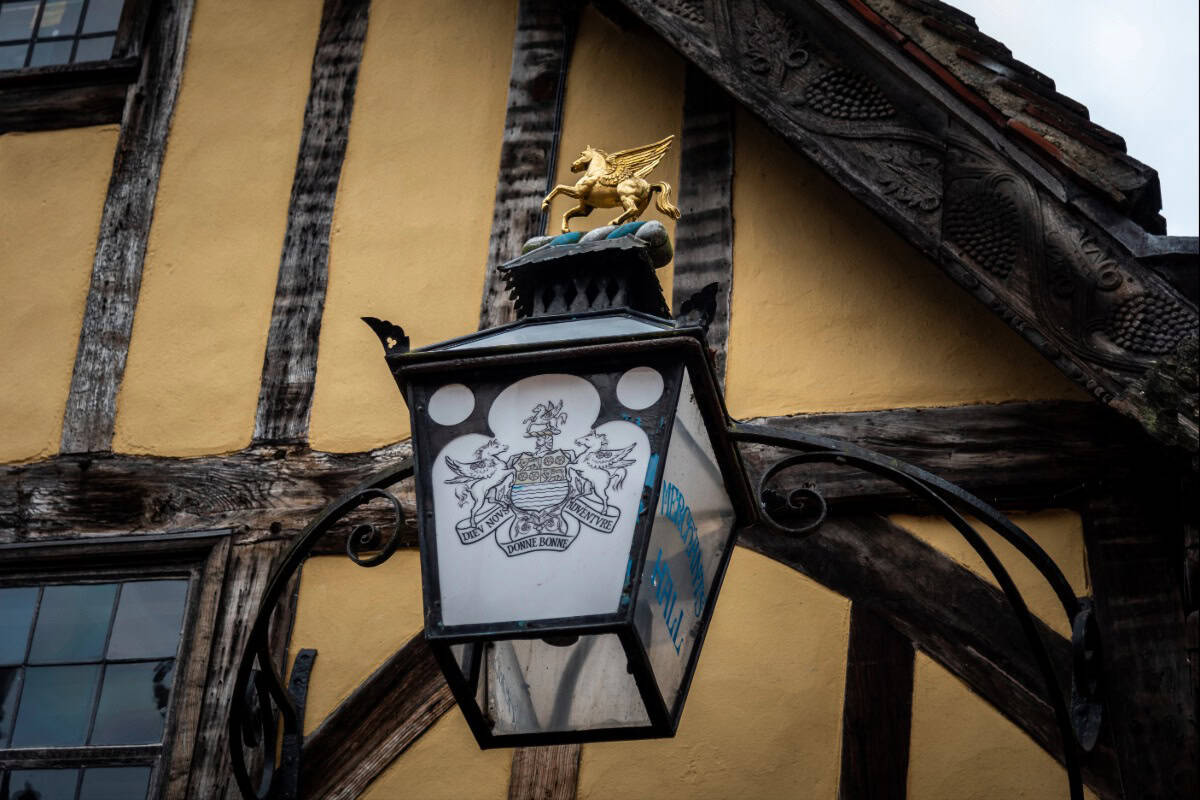
Skilled medieval makers often belonged to guilds, tight knit communities that upheld strict standards, protected trade secrets and passed on techniques to apprentices. These guilds turned spinning, weaving and embroidery into honored professions, ensuring each thread crafted met the high expectations of the time. Through rituals, symbols and shared values, craft guilds kept the heart of medieval fiber art beating strong. They did not just make, they preserved culture, identity and craftsmanship for future generations.
Related Post:10 Stylish DIY Accessories You Can Make from Old Sweaters
Before the age of synthetic yarns and digital patterns, medieval makers relied on patience, precision and the raw gifts of nature to create textiles that were both functional and beautiful. Their materials were humble, but their craftsmanship was rich with meaning, discipline and ancestral pride. Every thread spun and every fabric woven carried a piece of their world, a story of survival, artistry and deep connection to the earth. As we hold a modern skein in our hands today, we honor the quiet brilliance of those who came before us, spinning beauty from simplicity.
Disclaimer: This list is solely the author’s opinion based on research and publicly available information.
12 Eye Popping DIY Rugs Made from Scrap Yarn

If you have a stash of leftover yarn lying around, you are in luck! Instead of letting those colorful scraps gather dust, why not turn them into beautiful, one-of-a-kind rugs? DIY rugs made from scrap yarn are an eco-friendly and budget friendly way to add a pop of personality and warmth to any room. These 12 eye popping DIY rugs will help you transform your yarn scraps into stylish, functional pieces of art. Get ready to give your floors a makeover!
Read it here:12 Eye Popping DIY Rugs Made from Scrap Yarn
15 Insanely Creative Yarn Crafts You Need to Try

Yarn is not just for knitting your grandma’s sweater anymore. Whether you are a craft enthusiast or someone looking for a new hobby, yarn is one of the most versatile and fun materials to work with. It’s perfect for creating everything from cozy home decor to unique accessories that scream personality. If you are ready to get crafty and unleash your inner designer, here are 15 insanely creative yarn crafts you absolutely need to try. Trust me, your DIY game will never be the same!
Read it here:15 Insanely Creative Yarn Crafts You Need to Try
16 Mind-Blowing Ideas to Transform Your Yarn Scraps

Yarn lovers know the struggle—those little leftover bits from past projects that seem too small to use but too precious to throw away. Instead of letting them pile up, why not turn them into something creative and purposeful? With a little imagination, yarn scraps can be repurposed into stunning projects that add charm to your space and bring joy to those around you. Whether you knit, crochet, or just love DIY projects, here are 16 mind-blowing ideas to transform your yarn scraps into something beautiful and useful.
Read it here:16 Mind-Blowing Ideas to Transform Your Yarn Scraps
